Does your life only have two settings: home and work? If so, you’re not alone, especially after living during the pandemic made life and socializing a lot different than we were used to. Home is considered the “first place” and work is considered the “second place,” and they are the two dwellings where we spend most of our time. However, there is another option, social hubs that professionals say are just as important: third places.
The Value of Third Places
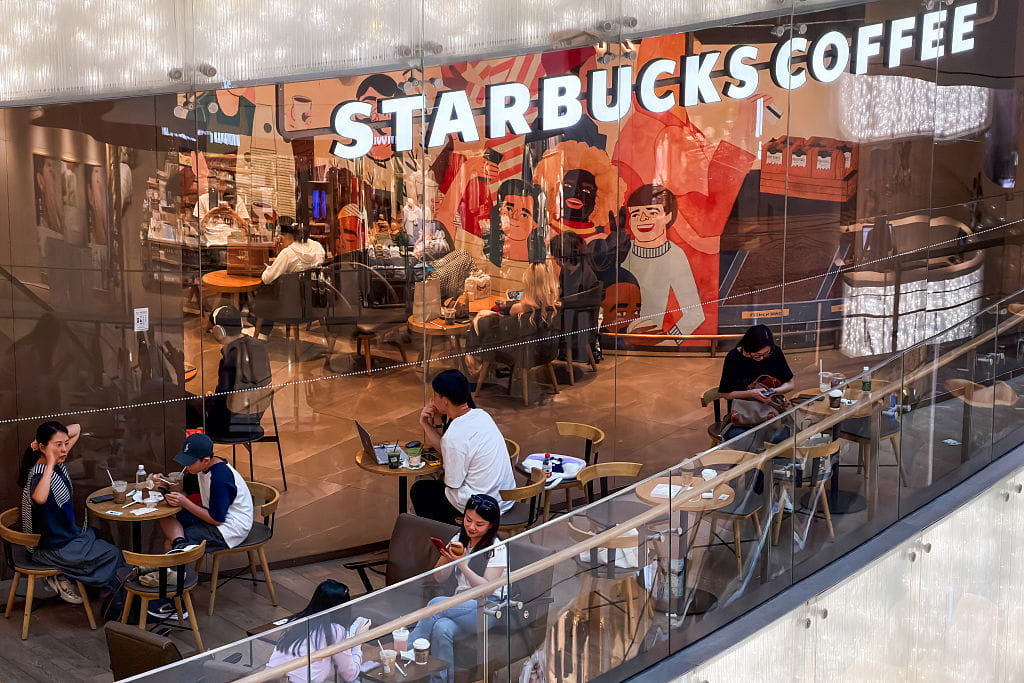
Third places are venues where people go to hang out and socialize with others. These can include anything from a corner café to a library, bar, bingo hall, museum, or park, to name a few. Humans are social creatures, so when we are deprived of connection, we can become lonely and depressed. The term “third places” was popularized by sociologist Ray Oldenburg in his 1989 book The Great Good Place, where he said informal gathering spots like bookstores and bars are essential for community life, social connection, and democracy.
 “In these spaces, people learn to debate without unfriending, to compromise on turning down the air conditioning or the rules of the game, and to see others as more than their online avatars or voting patterns,” Washington Monthly explained. “In an era of polarized politics and atomized media consumption, that apprenticeship may be one of the most valuable functions third places serve.”
“Third places play an important role in our lives by offering a break from the demands of work-home life,” Elena Touroni, PhD, a consultant psychologist and co-founder of The Chelsea Psychology Clinic said, as reported by Very Well Mind. “They help us maintain a healthy work-life balance, providing spaces where we can relax, enjoy ourselves, and engage with different types of people.”
A Social History
In Ancient Greece, Athen’s agora used to attract people to the markets. Politicians and philosophers mixed and mingled with the common citizens, discussing and debating politics, farming, poetry, and whatever else interested them. During the Roman era, forums provided a central gathering place for people to talk about life. The Jin Dynasty, China, in the third century AD brought about teahouses, which became popular social spaces where people could drink tea, discreetly discuss business, and promote their status.
During the 17th century, Europe developed coffeehouses in the cities that became the main hub for the communities. “They were open to all classes for the price of a penny cup of coffee, earning the nickname ‘penny universities’ for allowing everyday people to engage in political debate and digest news and ideas freely,” Medium explained. “These coffeehouses fostered a democratic spirit – King Charles II’s attempt to suppress them in 1675 was met with such public outrage that the ban was rescinded within days.”
Today and the Future of Social Hubs
Are third places disappearing? Yes and no. A 2024 American Social Capital Survey by the Survey Center on American Life found that half of Americans say they never or seldom visited a park in the last year. A whopping 63% say they never or seldom went into a library in the past 12 months. According to the survey, “Americans have smaller social networks and fewer friends, and they spend less time with their friends, neighbors, and family members. This state of affairs has led Surgeon General Vivek Murthy to declare the United States is facing an ‘epidemic of loneliness and isolation.’”
In today’s fast-paced technological world, people just don’t have time to sit outside at a corner café, browse bookstore shelves for hours, or take a few minutes to unwind. Zoom meetings make it easier to stay home and work. Connecting on social media is easier and faster than meeting up for a coffee or beer. And, with urban development, third places are few and far in between. Most communities don’t have a local coffee shop or bookstore a block or two away, meaning reaching those third places requires driving or taking public transportation.
Yet these hangouts are still around, and some are even thriving, while others are evolving. In Italy, the piazza is still considered the heart of the town where locals of all ages gather in an open square to chat. In Turkey and the Middle East, there are still traditional coffee houses and bathhouses where people meet to socialize and bond.

Our third places are evolving though. Museums are no longer just for admiring art, and libraries offer more than books to read. Libraries have added “maker spaces” where people can gather to work on art projects, take classes, and listen to lectures. Architects have taken notes and have started designing their projects to include more third places environments. Elena Madison, director of projects at the Project for Public Spaces, a nonprofit placemaking organization in New York City, told Urban Land: “One town added a ‘rent-a-kayak’ service to the library … others have tool libraries where you can borrow tools for home improvement projects. Designing buildings for these multiple uses brings people together informally in ways that go beyond your typical social structure.”
Building owners that might not have enough room of their own have been highlighting neighborhood third places such as nearby parks and cafes. “Developers know that the quality of third spaces in their buildings or nearby makes a big difference in how functional and attractive a place is,” Madison says. “We’re seeing lots more creative concepts and multipurpose third places, such as coffee shops that are also bookstores, yoga studios, or even laundromats.”
Traditional third places may be changing, but their importance has not. Humans need social interaction for emotional health. Work and home, the first two spaces, serve our basic and familial needs while the social hub gives us a place to relax and unwind.