ANALYSIS
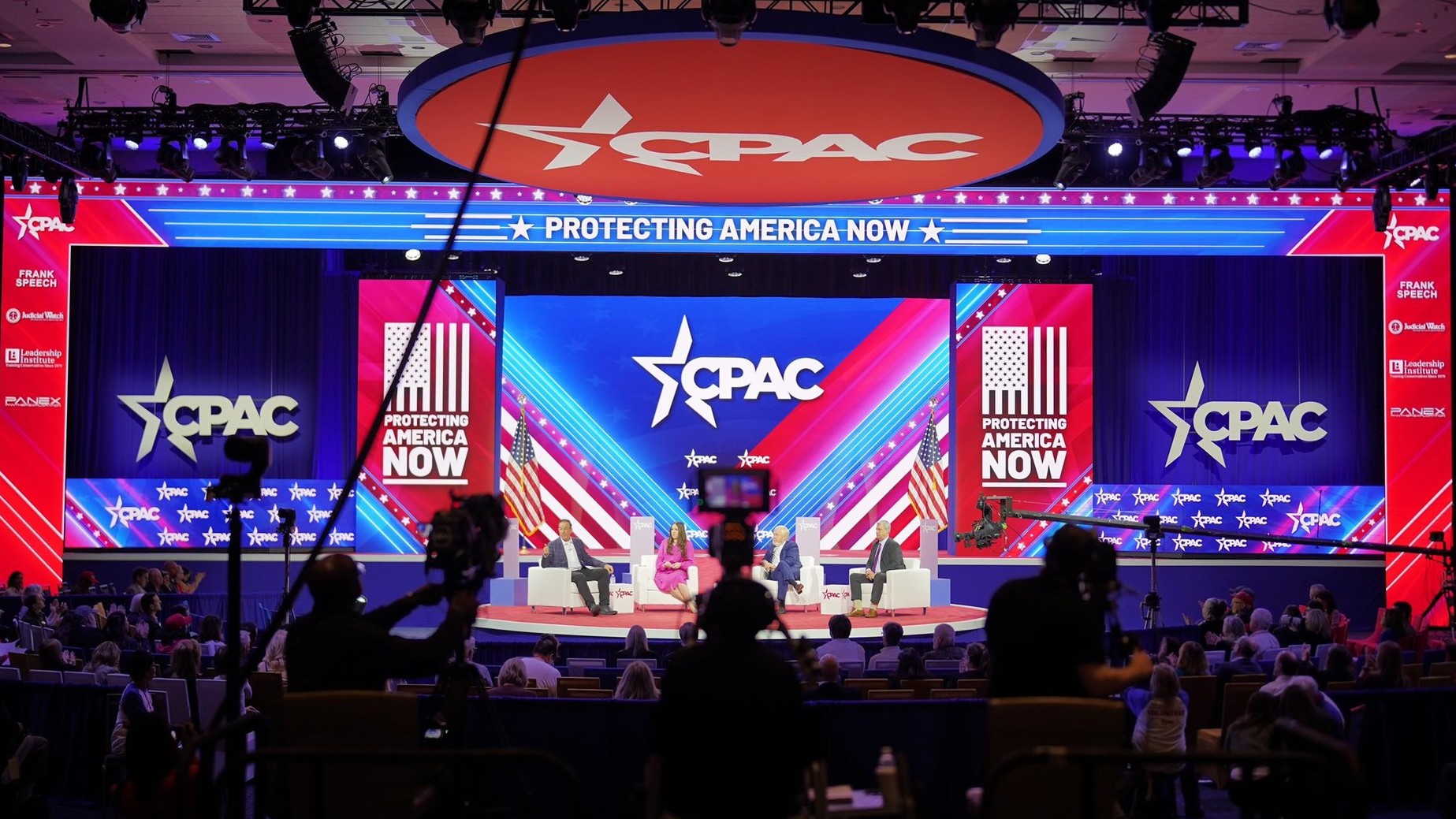
DALLAS — I’m on the ground here at CPAC 2026 in Grapevine, Texas. It’s one of the largest yearly gatherings of conservatives in the country. One issue is quietly but unmistakably shaping conversations in the hallway and inside the conference itself: the Iran war. It’s not always front-and-center on the main stage but talk to attendees for more than a few minutes, and it comes up.
There’s a noticeable demographic reality at play. CPAC still skews older. Many of the attendees here came of age politically in the post-9/11 era, when a more hawkish Republican Party dominated the conversation on foreign policy. While there is debate about strategy and long-term consequences, there is also a baseline level of support for confronting Iran that feels stronger here than it might among younger conservatives elsewhere. This isn’t a Turning Point USA Conference. It feels different here.
That doesn’t mean there’s no tension. Some attendees express concern about another prolonged conflict, especially if ground troops are involved, but even those voices often stop short of outright opposition. Instead, the mood is more nuanced. It’s more cautious support and a belief that President Trump will finish the job.
Hovering over all of this is the future of the conservative movement—and specifically, JD Vance. Last year, Vance dominated a CPAC straw poll, pulling in 61 percent support as the preferred presidential candidate for 2028. But this year feels less settled. With foreign policy back in the spotlight, Vance may see his CPAC support go down. Meanwhile, Secretary of State Marco Rubio, who had 3 percent support for a 2028 run a year ago, may have much improved numbers. The Straw Poll results will be released over the weekend.