Greta Thunberg’s shrieks of climate doom have become fainter as she moves past Gaza, seeking another grievance du jour. The borders are secure despite past claims that Republicans were preventing effective immigration enforcement. DEI is now DOA, and mandated trans pronouns are drifting into the past. Fake meat is teetering, too, but Illinois has yet to receive the memo.
Illinois, Land of Boondoggles
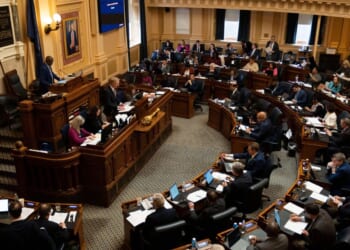
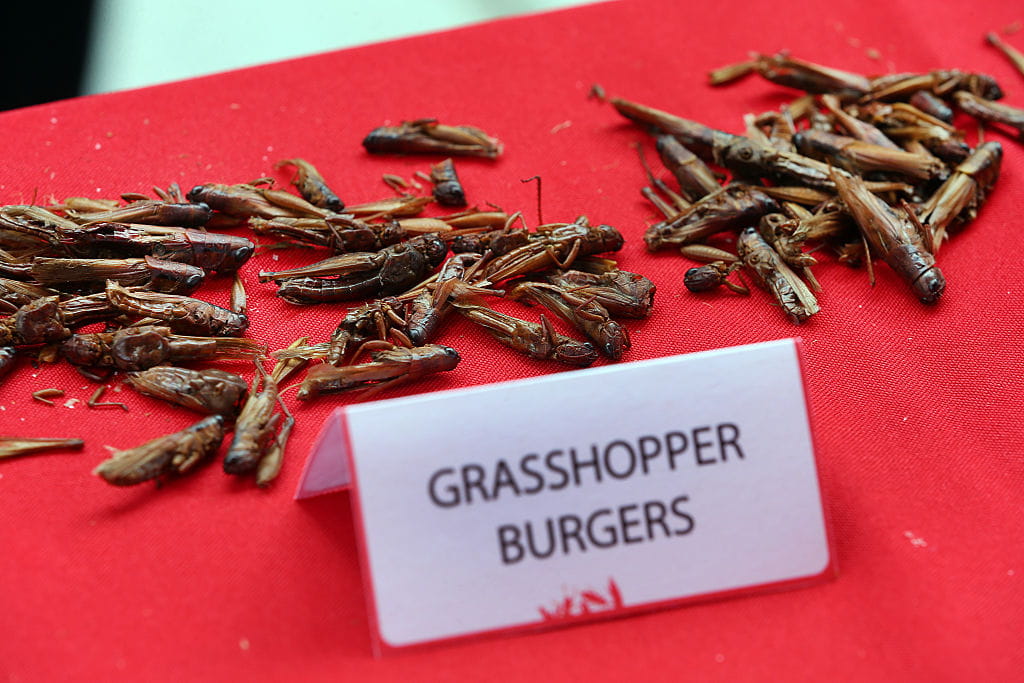
Land of Lincoln lawmakers are mulling a bill that will make a $5 million investment in alternative protein research at its state universities, even as some red states ban fake meats entirely. If consumers are given any shrift but short, they aren’t clamoring for cricket burgers or plant-based meat replacements. Illinois legislators are tone deaf, resembling Klaus Schwab’s infamous proclamation that people will own nothing but be happy. In Illinois, the Antoinette clan ignores what people want to eat while spending their tax dollars to reward bureaucrats for cooking up more (grub-based?) grub: You will eat fake food and be happy!
This initiative is not Illinois’ first fake meat rodeo. As a blue state unwittingly advancing the globalist agenda to enslave humanity to industrial variations of Soylent Green, Illinois has invested taxpayer dollars in this bureaucratic Joe Biden boondoggle for years, creating its silly-sounding “Alternative Protein Innovation Task Force” in 2023 and funding the “iFAB Tech Hub” at the University of Illinois in 2024 with $51 million in federal grants to advance “plant-based protein research.” But one Republican opponent of the bill, state Rep. Chris Miller, voiced his perspective rather stridently:
“There’s no end to the Democrats’ scheming and scamming to try to destroy the livestock industry … They tried this alternative protein fiasco up in the suburbs a couple of years ago. It didn’t take long for them to figure out there was zero demand for cockroaches and crickets and alternative types of protein. People want the real deal — the purest protein we have through our cattle industry.”
Consumers Are Aware!
One overlooked aspect of the flatlining of consumer demand for fake meat is the growing awareness that the justifications for its importance are climate change, animal welfare, and human health. All three tumble like miniature bowling pins under the steamroller of common sense.
Many of those who nurtured climate change fears that threatened to ban cows for their gaseous greenhouse emissions have abandoned that cause. Cow manure nurtures soils and sequesters CO2; the synthetic fertilizers used to replace it (and grow the plants to make fake burger replacements) deplete soils and are manufactured from natural gas (aka methane). If humans stop eating cows, they will cease to live at all except in a zoo — so much for their welfare. And the whole “red meat is bad for you” mantra seems to have gone the way of the dodo bird. Many people want grass-fed meat for health reasons, not pinto beans grown in a yeast culture to manufacture a fake pork chop.
Miller, cognizant of these fundamental truths that are apparently lost on progressive legislators, argues that money would be better spent on supporting the state’s struggling soil farmers rather than lab rats. Without mincing words, he decried the effort as disconnected:
“They’ll try to throw millions at this, and it’s already proven to be a failed idea … The radical left, Gov. J.B. Pritzker, the Democrats … their agenda is to make people weak … When you eat beef, it makes you strong. Look around — low-testosterone men in skinny jeans — they’re eating too many soy products and not enough meat … The Democrats and ‘greenies,’ along with those who live in fantasy, are always trying to create something artificial to replace what nature produces on its own.”
Common Sense vs Fake Meat Nonsense
This conclusion is unavoidable if common sense is allowed in the room. Even proponents of fake meat have identified a long list of why plant-based food forgeries make for unhealthy groceries: nutritional profiles that are inferior to real meats and deficient in essentials such as protein and iron; elevated concentrations of sodium, preservatives, and saturated fats; studies linking increased consumption of meat substitutes with higher risk of type 2 diabetes, heart disease, and some cancers; disruption of gut bacteria; digestive issues; and concerns regarding allergenicity, toxicity, and foodborne pathogens. To this must be added a litany of unnatural ingredients mixed in to create an illusion of nature-made flesh: flavorings, colorings, emulsifiers, texture modifiers, gelling agents, sweeteners, and binding agents.

If such shortcomings were not enough, there is a glaring environmental problem. Factories built to fabricate fake meats pollute. The tubes, petri dishes, stainless vats, chemical cleaners, heating and cooling systems, arrays of plastics, and electronic gadgets employed all require non-carbon ecotoxic pollution in manufacture and maintenance. Moreover, the plants upon which fake meats are “based” are mostly GMO crops grown using chemical applications of manifold pesticides and synthetic fertilizers, and fossil-fuel-powered machinery that destroys fragile soil health and depletes precious water resources. Cows on grass are not easily replicated in a techno-lab.
The only apparent benefit of Illinois’ effort to fund more plant-based meat research is to employ plant-based meat researchers and boost corporate profits. The push to fund fake meat seems to be based on false climate and health science, pretend concern for animals, and phony nutrition claims. The state’s researchers and deluded bureaucrats must move on to greener pastures – perhaps they should grab a hoe and learn how to farm the land instead of taxpayer pockets.