Lower prices can be attributed to several factors, yet the pattern remains. undeniable.
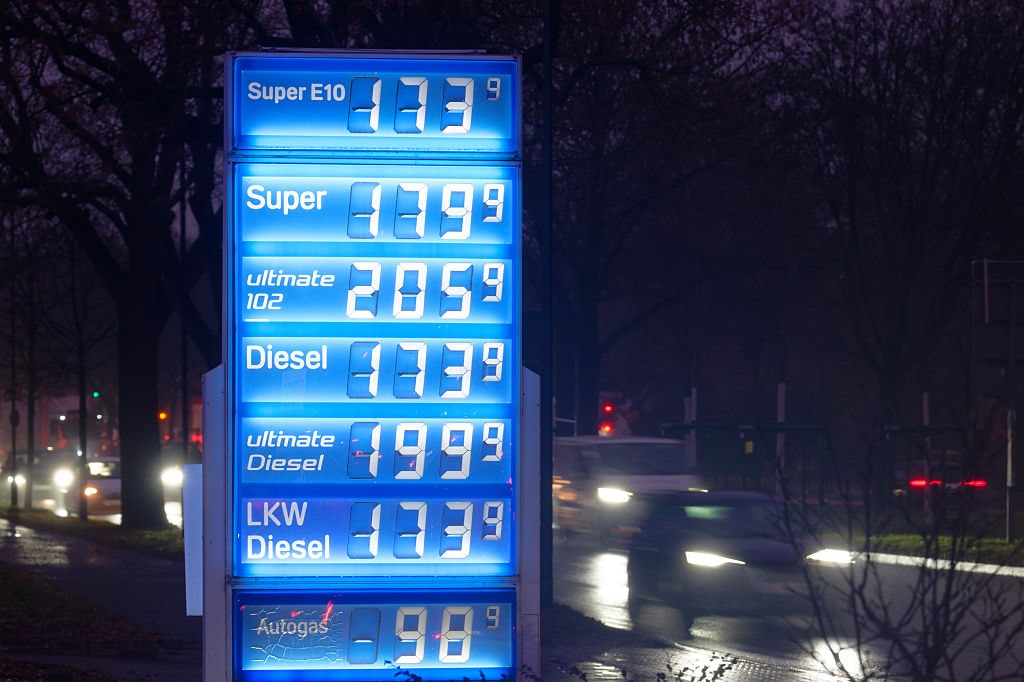
Gas prices have dropped to their lowest point in several years. The national average for regular hit $2.95 a gallon on Friday, Nov. 28, a low not seen since May 2021. Right or wrong, presidents are often offered the credit – or handed the blame – for fuel costs. So can Donald Trump claim credit for this, or is it merely the result of a “perfect storm” of non-government factors?
Contributing to Cost
GasBuddy, a company that tracks fuel costs across the nation, reported that a combination of lower oil costs, stronger refinery output, and a reduction in demand has forced gas prices down across all 50 states over the past week. It’s a trend the company calls “exceptionally rare.”
Patrick De Haan, head of petroleum analysis at GasBuddy, cited a seasonal weakening of demand for fuel and the end of refinery maintenance season. The national average for regular gasoline is a great tool for tracking trends, but it doesn’t necessarily indicate what any given individual will pay at the pump on any given day. AAA Fuel Prices reports the national average as of Dec. 1 as $3.00 a gallon, with Oklahoma having the lowest average at $2.40 a gallon. Some stations in Oklahoma, Texas, and Colorado are reportedly selling gas for less than $2 a gallon. Meanwhile, if you’re unlucky enough to be fueling up in California, you’re likely still paying at least $4 – if not considerably more.
So why are prices down? Lower demand is an odd one, given it’s the holiday travel season, but higher output from refineries almost certainly plays a part – as do lower oil prices. But is that all? Would it be fair to give Trump some credit, if not for the end prices, then at least for some of the contributing factors? The cost of oil from OPEC+ suppliers has been down in recent weeks, reportedly because of lower demand – but that has been driven, in part, by American consumers having alternative, less expensive sources. Domestic production, trade deals with other countries, and even energy policies that affect refinery output all fall under the purview of the president’s administration.
If one doesn’t mind having slightly less up-to-date numbers, the US Energy Information Agency tracks the national average cost for regular gasoline by week, from as recently as the day before Thanksgiving and going all the way back to August 1990.
Its latest average was $3.06 – just two days before GasBuddy reported it dropped to $2.95. A look at the longer trends, though, shows a pattern.
Better Gas Prices Is Trump’s Pattern
When Trump took office in January, the national average was $3.04 a gallon. It did spike in the late spring and summer before falling again, which is normal, but it ended several cents lower than where it sat in President Joe Biden’s final winter in the White House. Even at those slightly higher summer costs, gas dropped lower in June of this year than it had been in the same month for four years. And it’s these overall trends that paint the picture.
So far in Trump’s second term, the lowest – not counting this weekend’s $2.95 – was $3.019 in the third week of October. The highest was $3.213 in the fourth week of June.
Now let’s look at Biden’s record. For three weeks in December 2024, gas prices fell slightly below the $3.019 of October 2025: $3.008 on Dec. 9, $3.016 on Dec. 16, and $3.006 on Dec. 12. The last time prices dropped lower was in March 2021. The day Biden took office, the national average for regular gas was $2.249. Naturally, if a president is responsible for fuel costs, then this is entirely a Trump number. By May 10, it was $2.961, and it didn’t dip back below $3 a gallon until this weekend. The high under Biden was a whopping $5.006 in June of 2022, and it spent almost six months over $4 a gallon, despite that being the same year as Biden’s historic draining of the strategic oil reserves to push down pump prices.
Going even further back, during Trump’s first term, from January 2017 through December 2020, the highest national average for any week was $2.962 in May 2018. The lowest was $1.773 a gallon in April 2020.
As Liberty Nation News reported back in March 2022, when the Biden administration seemed to be actively trying to kill the oil and gas industry, Biden and Obama bookended Trump’s first presidency with higher prices at the pumps. Obama averaged $2.96 a gallon compared to Trump’s $2.47. Biden’s average at the time was a whopping (by the standards at the time) $3.11. Even in the worst week of Trump’s first term, the national average never topped Obama’s average over eight years. Meanwhile, Obama saw several weeks over $4 a gallon and spent much of his presidency in the $3 plus range.
The most recent news out of OPEC+ is that it will hold output steady for the first quarter of 2026 and that, as of Monday morning, oil prices are up about 2%. This may increase gas prices slightly in the near future, but that doesn’t change the 17-year trend of Trump averaging better fuel costs than any other president to occupy the White House during that time. Does that mean he’s responsible? Even if it doesn’t, it’s still a win – for Trump and the American people.
Liberty Nation does not endorse candidates, campaigns, or legislation, and this presentation is no endorsement.