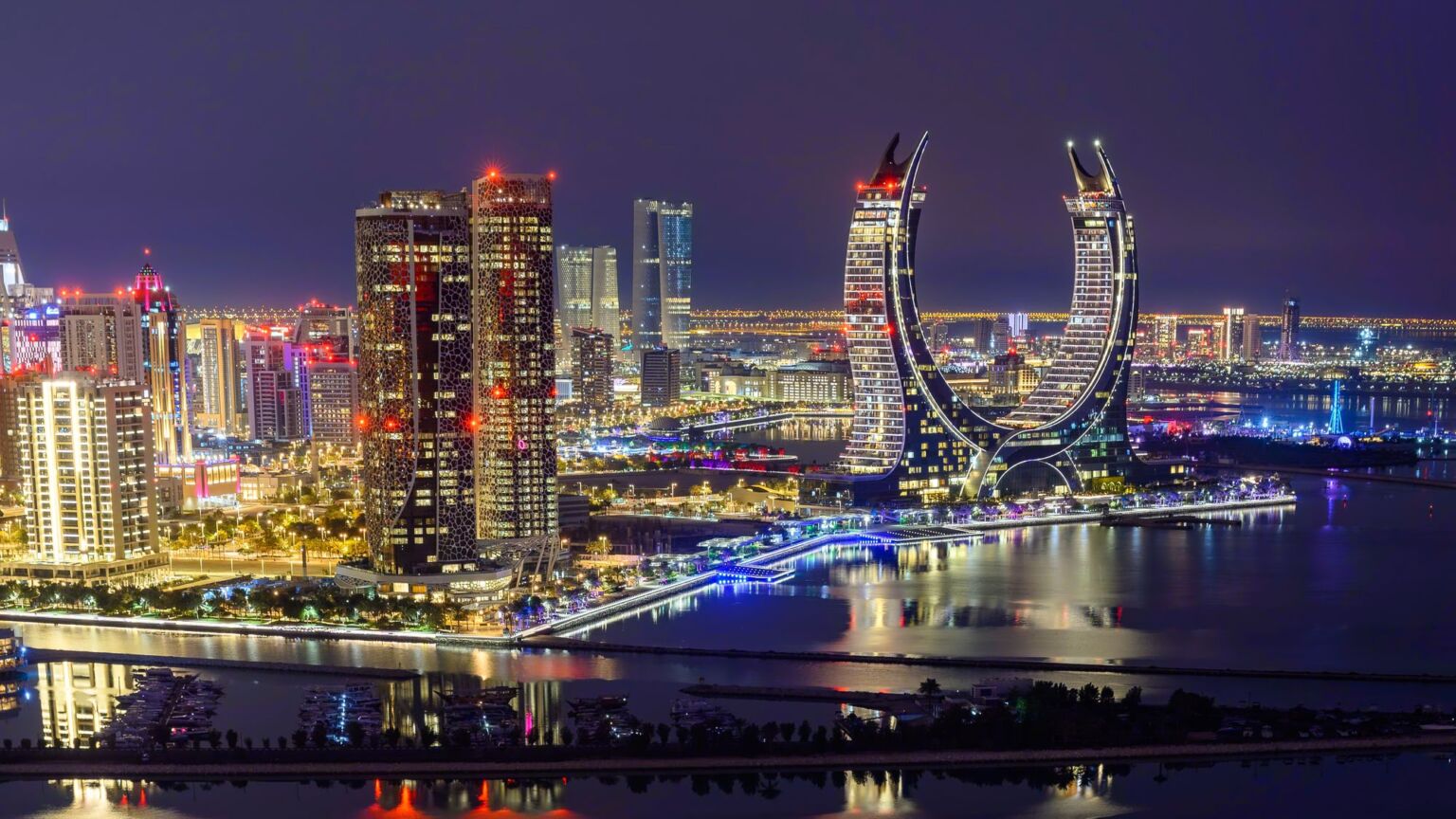
Qatar is fast becoming the country that everyone loves to hate. This puny petrostate somehow manages to irritate pundits from Canberra to Washington, who accuse it of funding extremist groups, manipulating media narratives and buying influence. These are fairly serious allegations of global conspiracy. They are even more serious when you consider that most of them are true.
Qatar is the first Muslim state to fully abandon the old ‘resistance’ mythology and adopt a Western system of power. It traded religious fundamentalism for a version of capitalism with Arabic characteristics. Money, media, investment and a network of influence that produces results is the new strategy. It is undoubtedly working. To be clear, this is the Western playbook – Qatar just bothered to read the manual.
None of this is to excuse the Qataris’ actions. Frankly, they are bad by any metric. They have supported groups that do not deserve to exist – such as Hamas, whose leaders they hosted in five-star hotels, even as it orchestrated its war against Israel. Yet while we might find Qatar’s decisions morally reprehensible, its strategic success is undeniable.
Much recent criticism of Qatar is hypocritical. When the United States arms factions in Syria, like the Syrian Democratic Forces, it is seen as defending Western interests in the Middle East. When Qatar does it, it is ‘destabilising’ the Middle East. While the BBC ‘shapes narratives’, when Al Jazeera – Qatar’s public broadcaster – does similar, it is subversion. Clearly, Westerners are uncomfortable watching their own statecraft executed with greater precision and finesse by a country many cannot point to on a map.
Given the regional alternatives, there is even some reason to welcome the growing influence of Qatar. Iran exports terrorism and Saudi Arabia a brand of Islam that has inspired catastrophic terror attacks in the UK. Qatar, on the other hand, is at least signing multi-decade contracts for liquefied natural gas with us. One model burns down embassies, while the other is negotiating to buy the house next door. Which one looks more like progress?
Clearly, we never anticipated an Islamic monarchical state running this play on the field. The Qataris have ignored ideology and doubled down on a Western brand of ‘diplomacy’, which provides them with existential regional protection and global value.
Qatar’s hands are far from clean, but frankly, neither are ours. From Iraq to Libya, the UK’s foreign-policy record is possibly worse. That does not absolve Qatar of its wrongdoing, but it does put it in context. What it does is simply strip away the fantasy that Qatar is doing something alien or unprecedented. It is not.
Qatar’s neighbours have not appreciated this seismic shift in Middle Eastern power dynamics. Beginning in 2017, in an effort to reassert dominance, Saudi Arabia, the United Arab Emirates, Bahrain and Egypt all participated in an economic siege. The four Arab countries cut all trade and diplomatic ties with Qatar for four years on the grounds that it had been ‘supporting terrorism’. It backfired badly: the Qataris, once again with stunning agility, shifted their shipping routes and increased their Washington equity, all while impressively growing their GDP.
If you can’t beat them, join them – that appears to be the motto from Qatar’s former regional rivals. We now have Dubai branding itself as the Middle Eastern Singapore, complete with a finance Mecca and a curated lifestyle to match. Abu Dhabi, the capital of the UAE, has metamorphosed into a sovereign-wealth superpower prowling London, New York and all points in between. Even Saudi Arabia has buried its religious identity under a mountain of public relations, touting futuristic cities and investment roadshows. Far from being the outlier, Qatar has become the template for Middle Eastern rivals. Less focus on ideology, more on the economy.
If the West feels threatened, theatrical outrage will not help. The answer is competence. ‘Don’t hate the player, hate the game’, as the saying goes. Pick up the tools the West invented and use them with the seriousness that they were designed for. Qatar did not cheat – it just paid attention.
Philip Gross is a New York-born business executive based in London, who writes on politics, culture and geopolitics.