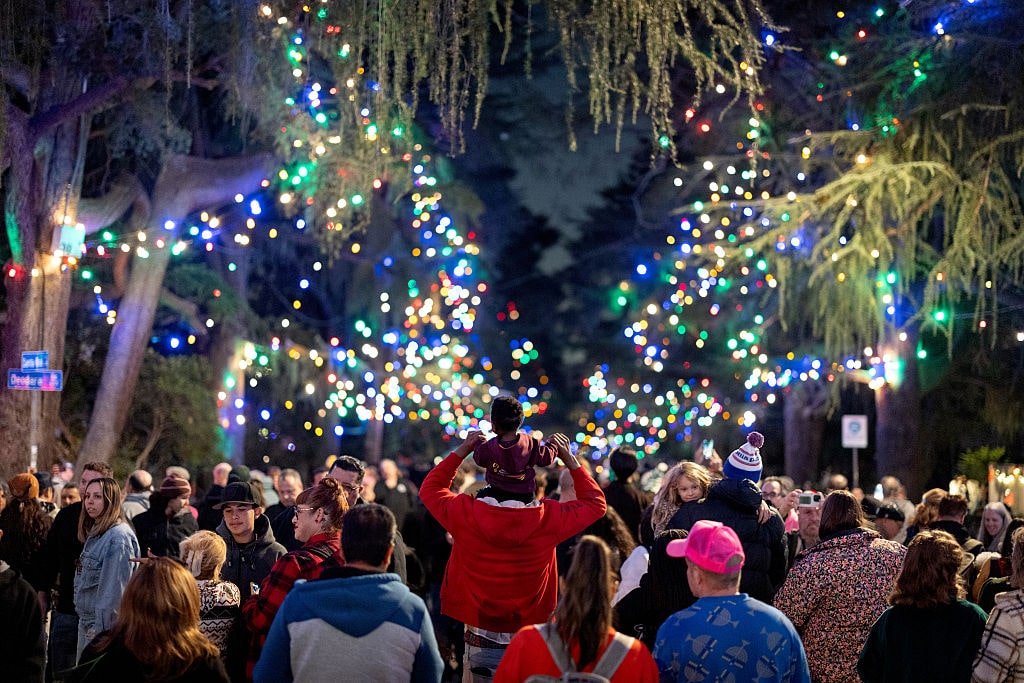
Every December, life starts to look like a snow globe. Lights shimmer from rooftops, kitchens smell like cinnamon and nutmeg, and families gather around tables overflowing with once-a-year recipes. But beneath the glow of the season, doctors say there is another pattern that returns annually, as predictable as carols on the radio. Heart attacks and cardiac emergencies consistently increase during the winter holidays, especially around Christmas and New Year’s, and the data backing this up stretches across decades and continents.
The Christmas Heart
The American Heart Association reports that Christmas Day has more fatal heart attacks than any other day of the year in the United States, with December 26 and New Year’s Day following closely behind. A Swedish study published in the British Medical Journal found a 15% rise in heart attacks during the holiday period and an especially sharp increase on Christmas Eve, most commonly around 10 p.m., which, ironically, is suspiciously close to the moment Santa hits cruising altitude and begins carb-loading on millions of holiday desserts.
 Similar patterns have been documented worldwide. A comprehensive analysis in the National Institutes of Health database found consistent increases in cardiovascular deaths during the holiday season, pointing to a combination of behavioral and environmental stressors that make December uniquely risky.
Cardiologists interviewed through NPR member station BPR said the holidays create a kind of perfect alignment of triggers. Rich meals, emotional stress, alcohol, winter cold, travel disruptions, and skipped medications all stack up at once. It’s a festive atmosphere for the soul, but a demanding one for the heart.
Holiday food plays a surprisingly large role. The dishes everyone looks forward to all year tend to be packed with salt, sugar, and saturated fats. A plate piled high with ham, buttery potatoes, and dessert may feel warm and comforting, but to the cardiovascular system, it is more like giving the heart a shovel and asking it to dig through a snowbank. High-sodium meals can raise blood pressure, large portions can put strain on digestion and circulation, and overeating can trigger symptoms in people with underlying conditions.
Alcohol adds its own complications. Doctors have long recognized Holiday Heart Syndrome, where heavy drinking can lead to irregular heart rhythms such as atrial fibrillation. Medical literature defines it as an irregular heartbeat and palpitations associated with high ethanol consumption. Pair that with the annual tradition of trying to keep up with Uncle Gary’s festive pours, and suddenly even the healthiest heart is wondering what it did to deserve this. Even people with no history of heart problems can experience sudden arrhythmias after binge drinking.
Stress is another holiday staple, though it rarely appears wrapped beneath the tree. It’s the magical time of year when people decorate their homes with twinkling lights and their nervous systems with ticking stress bombs. Columbia University cardiologists note that emotional strain can elevate cortisol levels, raise heart rates, and increase blood pressure. Family expectations, financial pressure, tight travel schedules, and the desire to make everything “perfect” can all combine into a steady hum of stress beneath the mistletoe.
Winter weather adds an extra layer. As temperatures drop, blood vessels constrict, which increases blood pressure and forces the heart to work harder with every beat. Winter basically turns your circulatory system into a grumpy Scrooge, tightening everything up the moment the wind hits your face. AdventHealth physicians confirm that cardiac events climb as the thermometer falls, making December an especially vulnerable month.
Then there are the little disruptions that sneak up quietly. People may forget medications during travel. Sleep becomes an afterthought. Symptoms get brushed aside with excuses like fatigue, overeating, or holiday busyness. In the NPR-linked report, cardiologists warned that sudden heaviness or pressure in the chest and unexpected shortness of breath are symptoms that need immediate attention, no matter what celebration is going on.
Symptoms are not always dramatic. Women in particular may experience nausea, jaw or back pain, dizziness, or what feels like stubborn indigestion. These quieter signals can blend into the noise of the holiday season, making them easy to miss until they become more dangerous.
Despite all of this, December doesn’t have to be a danger zone. Enjoying the holidays and protecting your heart can go hand in hand. Eating mindfully, pacing drinks, keeping medications on schedule, maintaining some movement in the day, and getting restful sleep can all help the body keep up with the festivities. Even a short walk after dinner or choosing water between cocktails can ease strain on the heart during a season when demands tend to pile up like presents under the tree.
Dr. Michelle Dew of the American Heart Association said that seeking medical attention quickly “is one of the best gifts you can give yourself and your loved ones.” It is a reminder that holiday joy feels fuller and brighter when everyone is healthy enough to enjoy it.
Christmas has always been a season of warmth, connection, and celebration. But just as a tree needs consistent water to stay green beneath its ornaments, the heart needs steady care to stay strong beneath the excitement of the season. The real gift is making it into the New Year with a healthy heart – and plenty of memories worth keeping.