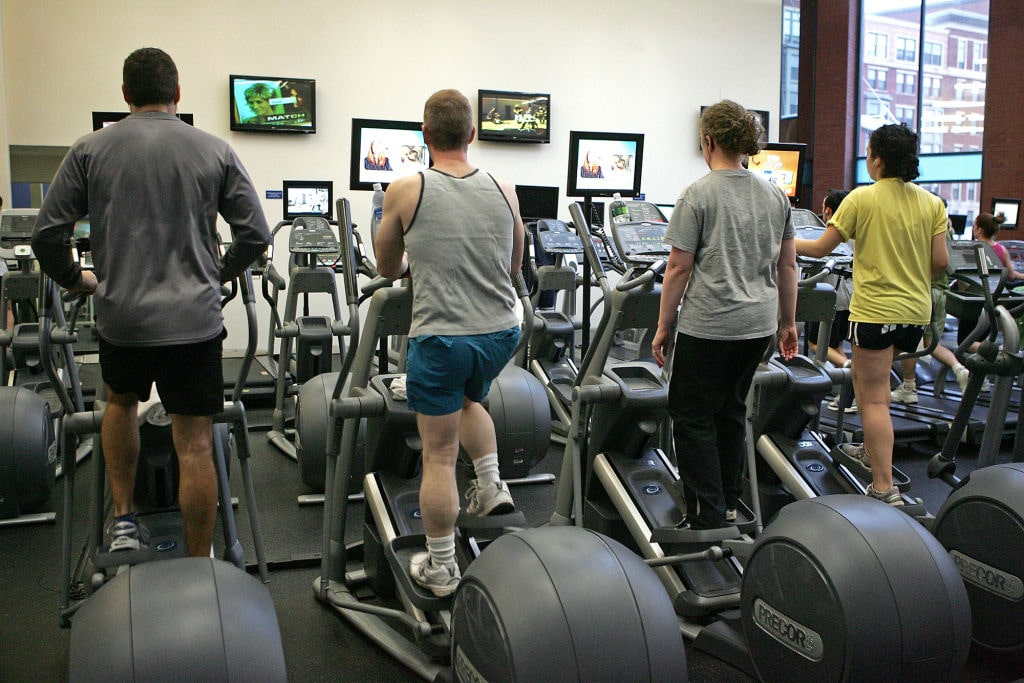
On New Year’s Day, the country turns into a giant, well-intentioned gym locker room. Sneakers appear. Water bottles multiply. People swear this is the year sugar gets dumped like a toxic ex. Then real life clocks in, and by mid-January, the motivation that felt like a fireworks show can turn out more like a sparkler in the rain. Still, resolutions are not just vibes. There is hard data on what people choose, how long they stick with it, and which health trends keep showing up every January.
New Year’s Resolutions and Challenges
A YouGov survey published December 23, found 31% of Americans say they will make a New Year’s resolution or set a goal for 2026. The most common resolution in that survey was “exercising more” (25%), followed by “being happy” (23%) and “eating healthier” (22%). Among the people who planned to make a resolution, 39% said it was “very likely” they would keep it throughout 2026, while 50% said “somewhat likely.”
 Every year, there seems to be a roadblock to successful resolutions. We start off with a bang and then fizzle off. Fitness platforms and tech companies track a familiar dip in motivation around the second Friday of January, widely nicknamed “Quitter’s Day,” when the enthusiasm dies down.
Another trend is calendar accountability, basically treating health like an appointment instead of a wish. British psychologist Tamara Russell told AP News that it makes “no sense at all” to make resolutions according to the calendar year since winter is usually a time of hibernation for much of the world. Spring, on the other hand, is a season of growth and renewal and might be a better time to take on such changes. “Study your own behavior like a scientist,” she said. That is a great analogy for how this works in real life. Scientists do not quit a study because the first trial was messy; they adjust the protocol.
The AP quotes American Psychological Association psychologist Lynn Bufka, who warns against all-or-nothing vows. “It’s quite daunting to say that you want to lose 50 pounds and thus, will never eat dessert again,” she said. “It might be more helpful to say, you’re only going to have dessert on the weekends and for special occasions.” That shift, from dramatic identity reboot to boring repeatable behavior, is where resolutions stop being a January costume and start becoming a habit.
Meanwhile, the definition of “going to the gym” is expanding. The American College of Sports Medicine’s (ACSM) trend surveys keep showing that fitness is becoming more tech-enabled and personalized. In an article titled “Top Fitness Trends for 2025,” wearable technology was named the number one trend, followed by mobile exercise apps at number two. One reason is that tech can make the invisible visible. Sleep quality, heart rate, step count, training load, and reminders can turn “I should really work out” into “I did 22 minutes, and it counts.”
A’Naja Newsome, a co-author of the article, described that shift this way: “Digital technologies are becoming more critical to the way we design, deliver and evaluate health and fitness services,” adding that wearables and apps can help reach new clientele and improve adherence. Even the app trend has a very practical explanation. ACSM’s Cayla McAvoy summed it up in plain language: “Apps allow fitness to be accessible in more environments.” That matters because, for a lot of people, the real enemy is not exercise. It is friction. If the plan requires perfect time, perfect weather, and perfect motivation, it is basically a plan to quit.
Every January, a quirky little resolution pops up everywhere from group chats to restaurant menus: Dry January. What started in the UK as a one-month wellness challenge has quietly gone mainstream. In the US, surveys show that roughly one in four adults now plan to cut out alcohol or dramatically reduce drinking at the start of the year. According to data from Morning Consult, younger adults are especially likely to participate, but interest spans all age groups. This is not about punishment or virtue signaling. For many people, it is simply a reset button after a month of rich food, late nights, and one too many “just one more” holiday drinks.
The shift shows up clearly in spending habits. NielsenIQ reports that sales of non-alcoholic beer, wine, and spirits consistently spike in January and continue growing year over year, even outside the first month of the year. According to their report, non-alcoholic spirits grew 86 % year-over-year, non-alcoholic wine grew 27.2 %, and non-alcoholic beer grew 25.1 % – indicating a clear rise in non-alcoholic beverage consumption that aligns with the Dry January trend and broader moderation movement.
Health experts say the appeal makes sense. The National Institute on Alcohol Abuse and Alcoholism notes that even short breaks from drinking can improve sleep, lower blood pressure, and give the liver time to recover. What makes this trend feel different now is that opting out of alcohol no longer requires an explanation. Mocktails are on regular menus, alcohol-free options taste better than they used to, and skipping a drink is increasingly seen as a normal, practical choice rather than a buzzkill.
Put together, the most realistic picture of New Year health trends is not “everyone joins a gym and becomes a different person.” It is more like a kitchen remodel. In week one, people shop like crazy and feel powerful. In week two, they realize the work is dusty and inconvenient. If it goes beyond that, they’re ready to give up and bulldoze the remodel.
The new year does not magically change human psychology, but it does give people a socially accepted starting line. It is a brief window where trying, tweaking, and even failing feels acceptable, when people can test what actually fits their lives instead of committing to a fantasy version of themselves. Most resolutions do not collapse because people lack discipline. They collapse because the plan was never designed for real mornings, real schedules, and real exhaustion. The trends that keep showing up every January suggest people are slowly learning that lesson. Less perfection, more adjustment. Fewer grand declarations, more small experiments. Not a total reinvention, just a slightly better way to show up on a random Tuesday in February.