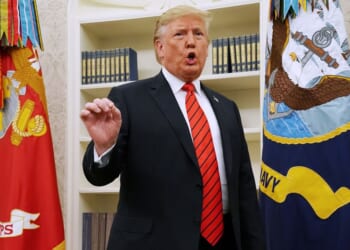
Over the past few weeks, Syrian government forces have been fighting the Kurdish-led Syrian Democratic Forces (SDF). They have been attempting to force them out of the resource-rich north-eastern region of Syria, which has been controlled by the Kurds since they defeated the Islamic State (ISIS) a decade ago. During this flare-up, it has become clear which side the Trump White House is on – not that of the Kurds, who fought alongside the US in the war against ISIS, but that of Syria’s interim president and one-time jihadi, Ahmed al-Sharaa.
It came as little surprise that last week the US backed a ceasefire deal that will lead to Sharaa assuming control over hitherto Kurdish-controlled regions, otherwise known as the Democratic Autonomous Administration of North and East Syria. It will also lead to the dissolution of the SDF and Kurdish soldiers’ integration within the Syrian national army.
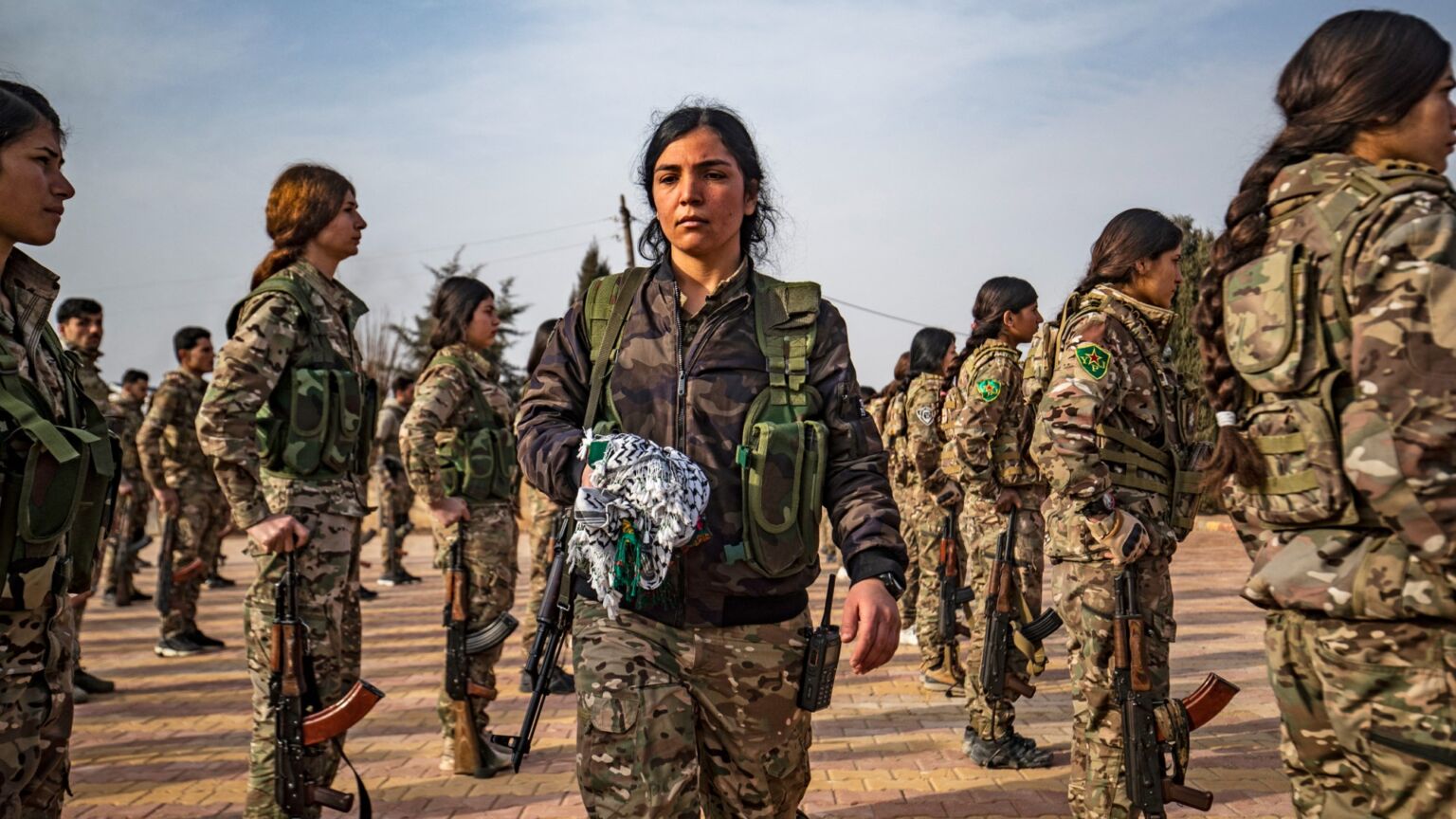
The implementation of the deal began on Monday, when Syrian government forces took control of Hasakah, a previously Kurdish-ruled city. Some among the SDF are still defying Sharaa’s forces – including the all-female Women’s Protection Units (YPJ). But the odds are very much stacked against them.
US envoy Tom Barrack called the ceasefire deal ‘a profound and historic milestone in Syria’s journey toward national reconciliation, unity and enduring stability’. For many Kurds, however, it marks another Western betrayal in their longstanding fight for self-determination.
After all, Kurdish forces were on the frontline of the West’s war against ISIS during the Syrian Civil War (2011-2024). Following ISIS’s effective defeat in 2017, the SDF continued its operations against jihadist sleeper cells in the region. The Kurds also played the lead role in detaining ISIS militants, their affiliates and families in prison camps such as al-Hol and al-Shaddadi.
But none of that seems to matter to the US and its allies. They seem happy to back Sharaa, who once led an al-Qaeda affiliate, as he attempts to take control of Kurdish territory, including all the jihadist-packed prisons. The US military is clearly aware of the risk this involves, and has begun to transfer up to 7,000 ISIS detainees to Iraq, in order to prevent break-outs.
Nevertheless, this is a gross betrayal of the Kurds by the West. By siding with Damascus, Washington is throwing its erstwhile Kurdish allies to the wolves. With US backing, they fought bravely against ISIS, and this is their reward – the rubbing out of their dreams of self-determination.
The Kurds have been here before of course. Comprising some 40million people, the world’s largest stateless people have been promised nationhood by the Great Powers before, particularly in the aftermath of the First World War. Time and again, they’ve been let down. They’ve also endured large-scale ethnic cleansing and gruesome massacres across the Middle East. Yet still they fought on, winning a degree of autonomy in northern Iraq and, up until this year, north-eastern Syria.
It’s a tough fight. The Kurds seem to have few allies in the Middle East. Some regional powers are actively supporting the Syrian government’s takeover. Turkey, a nation with a sizable Kurdish population itself, has been suppressing Kurdish militancy for decades, outlawing the Kurdistan Workers’ Party (PKK). Ankara now hopes to strike a deal with the PKK similar to the one Damascus has struck with the SDF – demanding its disarmament and acquiescence.
Furthermore, the Kurds’ plight generates little in the way of international sympathy, especially among the activist class. While many of the Keffiyeh-wearing set have been loudly demanding the creation of an Arab-Muslim Palestinian state in place of a Jewish one, they have long ignored the situation of the millions of stateless Kurdish Muslims.
Perhaps that’s because the cause of the Kurds does not provide Western leftists with a chance to vent at the world’s only Jewish state. Furthermore, although the majority of Kurds are Muslim, their institutions tend to be politically secular. They incorporate minorities in their multi-ethnic militia and treat women as the equals of men. And so they have always been a little too Western for the West-loathing activists of the pro-Palestine crowd.
All of which makes Western powers’ abandonment of the Kurds even more shocking. Not only did Syrian Kurds roll back ISIS, they cleave to secular, broadly Western ideas of democracy and equality.
It’s a strategic folly, too. Washington’s alliance with the onetime jihadist, Sharaa, comes at a dangerous time. ISIS is now resurgent. It has found new strongholds in South Asia and West Africa, and is now recruiting and training militants in the Far East. And there are now countless signs that it is re-emerging with brutal effect in Iraq and Syria.
The betrayal of the Kurds is not just a moral error. Given it is likely to empower the violent Islamism of ISIS and its ilk, it is also a huge geopolitical mistake. We could all be paying the price for this in the years to come.
Kunwar Khuldune Shahid is a writer based in Pakistan.