From rebellious colonies to the world’s oldest democratic government.
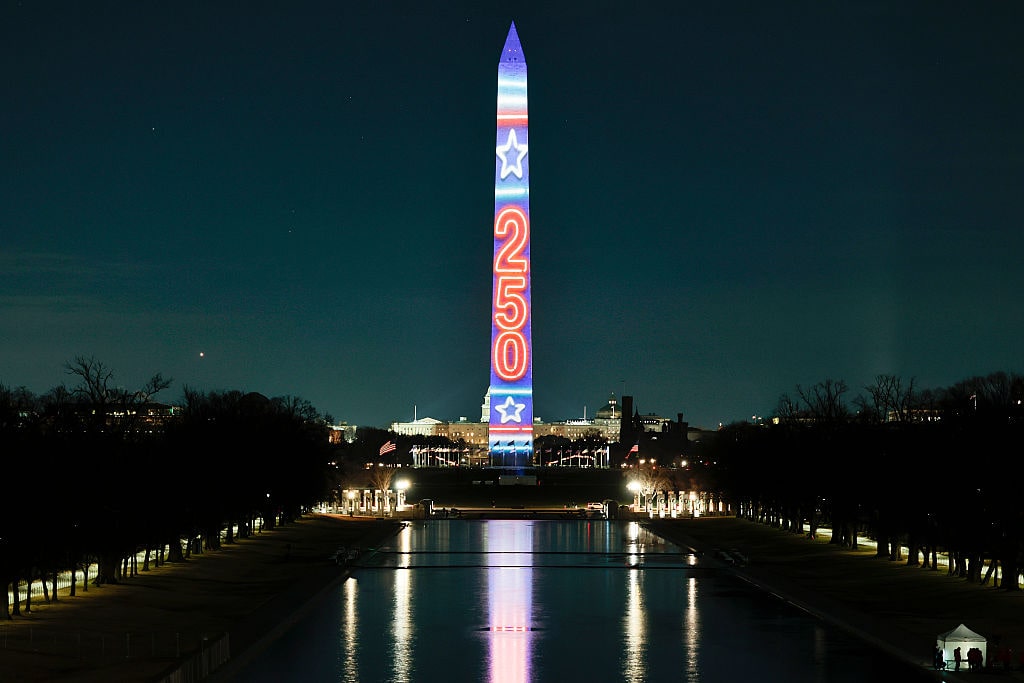
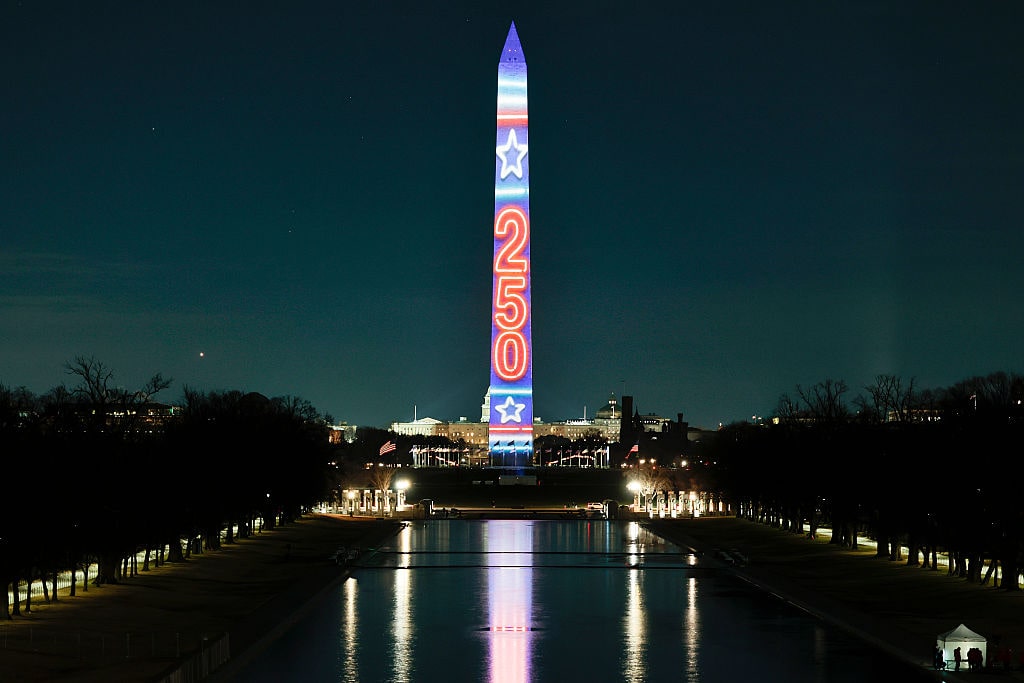
The new year always brings a sense of possibilities and hope, and so we celebrate. But 2026 is a special year – the 250th anniversary of American independence from British rule. It’s a good year, as well, to recognize just how remarkably long a stretch that is from a historical perspective.
Though our current government – established when the US Constitution took effect on March 14, 1789 – hasn’t stood since Independence Day 1776, it remains one of the oldest in the world. Only one sovereign state standing today in the world can honestly boast a longer run – the Vatican – and that’s a testament to the Constitution’s strength and flexibility as a foundational document and the genius of the men who drafted it.
America: Making the Old World New Since 1776
On June 11, 1776, the Continental Congress appointed Thomas Jefferson, John Adams, Benjamin Franklin, Roger Sherman, and Robert Livingston – known collectively as the Committee of Five – to draft what one might call history’s greatest breakup letter. This Declaration of Independence declared truths Americans have since held to be “self-evident,” but they were quite radical at the time. The final draft was approved and ordered printed on July 4, 1776, and by August 2, the engrossed copy had been signed by most of the delegates of the 13 British colonies in America.
The Declaration, the war, and the two experimental governments that quickly followed lit a fire that burned through imperial monarchies across the world. But make no mistake; in this regard, America was first. Adopted by Congress in 1777, the Articles of Confederation established “The United States of America” as a “firm league of friendship” of otherwise sovereign states. This weak central government was, perhaps, a more ideologically perfect model in the name of liberty and state sovereignty, but it proved unable to survive the geopolitical realities of the day.
When the US Constitution went into effect in March of 1789, it replaced the Articles of Confederation – rebuilding the federal government entirely but keeping the name – and became the first modern codified national constitution. France and Poland quickly followed suit, establishing federal constitutions, but neither lasted even a whole two years.
On January 1, 1801, the British and Irish Parliaments voted for a union, and the almost-century-old Kingdom of Great Britain was no more. The new United Kingdom of Great Britain and Ireland, however, only lasted until 1927, when it took its present form as the United Kingdom of Great Britain and Northern Ireland after most of Ireland gained independence. In fact, the once-great empire from which the United States was birthed never saw a unified government of the entire island last nearly as long as our Constitution.
Even China and Japan – like the historical powers of Europe – can claim ancient culture and tradition, but they can’t claim ancient government. Japan still has an emperor, for example, but he has been a symbolic head of state only since the 1947 Constitution turned the empire into a unitary parliamentary constitutional monarchy. The People’s Republic of China was established in 1949. In fact, both world wars saw many of the governments around the globe abandoned and rebuilt entirely.
American Independence, the Constitution, and the Test of Time
But the United States has stood longer than any other currently operating government save for the Vatican – and any democracy or republic at all. So what makes the United States so special? Well, we do have geography on our side, from great oceans that isolate us from the major world powers of Asia and Europe to our vast size and the variety of geographical features across the land.
While geography certainly helped buffer us from the aforementioned two world wars and the imperial phases of all those European and Asian powers, that certainly didn’t help our government survive the Civil War, the Great Depression, 9/11, or any number of other devastating calamities, the likes of which have toppled governments around the world throughout human history.
It was the structure established in the US Constitution that withstood each in turn – either by standing strong to break the tide or by being flexible enough through the amendment process to bend and bounce back instead. The Constitution established a three-branch government with checks and balances. It protected America from the mob rule of a pure democracy by locking certain things behind an almost impossible amendment process. And just as crucially, it allowed for growth rather than death in the worst of times by making that amendment process almost impossible.
What survives to this day is much modified from that young republic imagined by our Founders – and certainly many of those changes gouge into our freedoms like scars left by the disasters that inspired them. But whether it’s because of or in spite of those changes, the Constitution has kept American independence and liberty alive all this time.
Dig Deeper Into the Themes Discussed in This Article!
Liberty Vault: The Declaration of Independence
Liberty Vault: The Constitution of the United States
Liberty Nation does not endorse candidates, campaigns, or legislation, and this presentation is no endorsement.