Celebrities are not known for their common sense. From apologism for genocidal regimes to slathering themselves in Korean snail slime, they are a remarkably stupid caste. Nowhere is this clearer than in their treatment of JK Rowling, where the approved line among those with more Botox than brain cells is that her insistence that biology is real is ‘dangerous’.
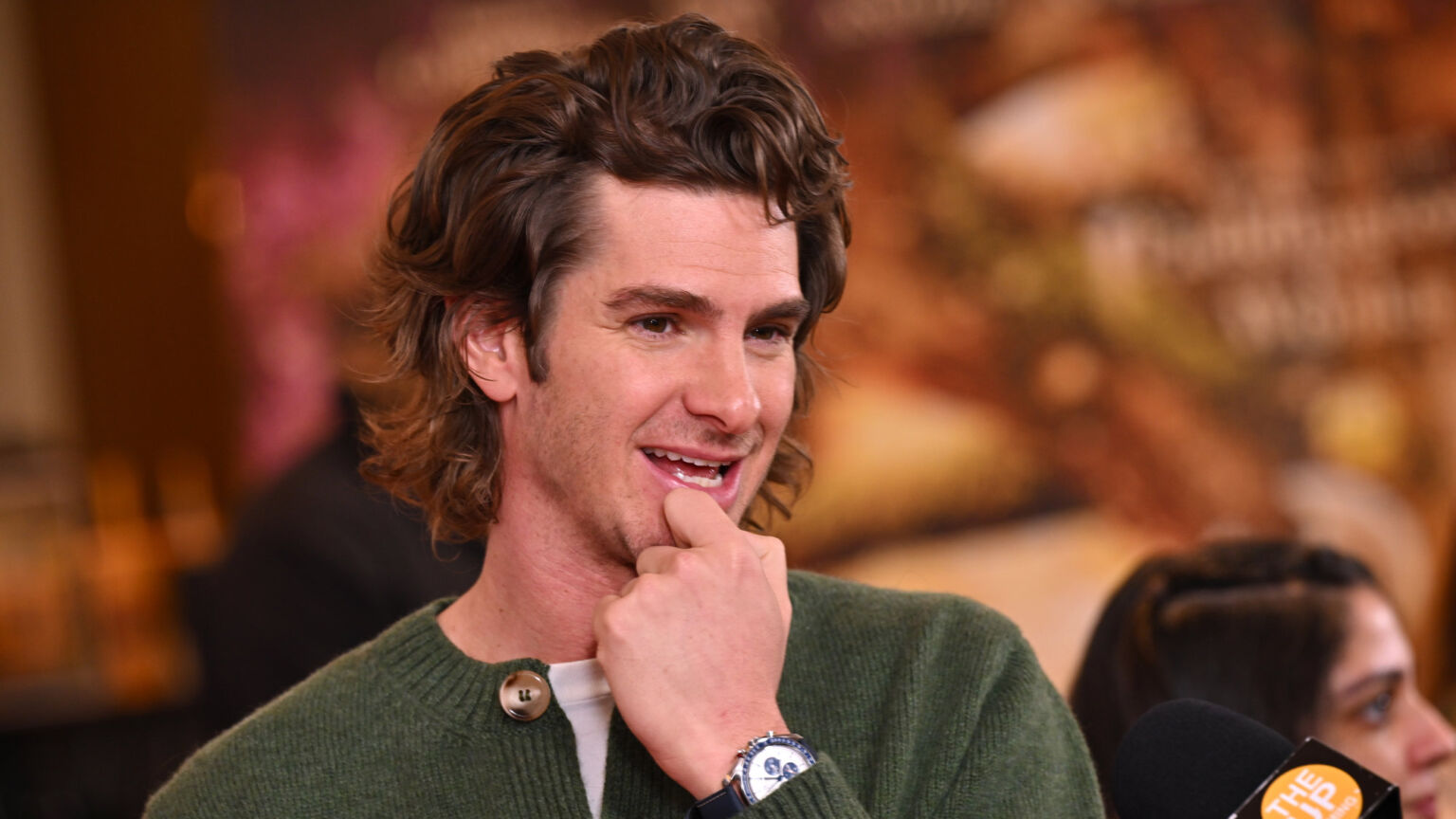
The latest dullard sleb to bleat about Rowling is Andrew Garfield. The Los Angeles-based star of Spider-Man told Hits Radio last week that he still enjoys the Harry Potter films, despite the ‘controversy’. He declined to name their creator, instead referring to her as ‘she that shall remain nameless’ – a nod to Lord Voldemort, the series’ arch villain, variously described as ‘You Know Who’ and ‘He Who Must Not Be Named’.
Unlike Garfield, ‘she’ is a woman who has inspired generations of children, donated millions to good causes and built her success from scratch. And with a new Harry Potter series in the pipeline, ‘she’ is also quite capable of managing without the approval of red-carpet sniffers. Yet Garfield spoke as though sitting on his arse to watch the films inspired by Rowling was a radical and brave act. ‘I feel like, oh man, we can’t throw the baby out with the bathwater’, he said. ‘There are so many beautiful artists who worked on those films.’
Naturally, he did not elucidate which of Rowling’s beliefs or actions is so heinous that even her name must not be spoken. Perhaps it is her funding of a women-only rape crisis centre, Beira’s Place, which she did because survivors in Scotland were self-excluding because ‘trans inclusive’ policies had opened the door to men. Perhaps it is her thoughtful 2020 essay reflecting on her experience as a survivor of domestic abuse, in which she champions freedom of speech and calls for empathy. Or perhaps it is her view that gender-identity ideology is in tension with gay rights, and that placing children on a medical pathway with potentially sterilising consequences is negligent – a position now reflected in the findings of the Cass Review and in the growing shift among clinicians away from the ‘affirmation model’.
Garfield’s position that art should be separated from the artist is doubtless informed by his past. In 2016, he helped usher Mel Gibson back into polite company after years in the wilderness, following his anti-Semitic rants and allegations of domestic abuse. Garfield insisted that Gibson had ‘done a lot of beautiful healing with himself’, a generous assessment of a man once recorded blaming Jews for ‘all the wars in the world’. He added that Gibson ‘deserves to make films’ because of his ‘very, very big, compassionate heart’. Whatever one makes of Gibson’s misdemeanours or subsequent rehabilitation, the inconsistency in Garfield’s approach is striking.
Garfield has joined the tuneless chorus of cretinous celebs bashing JK Rowling. The ingrates she made famous – Daniel Radcliffe, Emma Watson and Rupert Grint – have all publicly and pointedly claimed that ‘transwomen are women’. Meanwhile, Pedro Pascal, star of HBO’s The Last of Us, has referred to Rowling as a ‘heinous loser’. Of course, none has dared to take on the beliefs of ‘she who must not be named’. That’s because, stripped of caricature, her arguments are not extreme but recognisably grounded in everyday reality.
It would be truly illuminating if actors like Andrew Garfield were ever asked to explain their own position. Why, precisely, should rapists be housed in women’s prisons, if they say they’re trans? Why should disabled people be denied the right to request same-sex intimate care? Why shouldn’t gays and lesbians be able to reject opposite-sex partners from their dating apps? These are not abstract questions but practical ones.
The lazy platitudes spewed out by the likes of Garfield are not the product of careful thought, but of a fashionable, elite worldview – one sustained at a comfortable distance from its consequences. Celebs won’t find themselves on an NHS ward, queuing for a public lavatory, or trying to protect their kids from trans ideology in the classroom. They can afford their fantasies precisely because they will never have to live with the consequences of them.
Jo Bartosch is co-author of Pornocracy. Order it here.