A locked storage unit, untouched for years, is sitting in a locked storage unit, and the owner swears nothing valuable hides inside and invites inspection.
The manager of the storage facility hesitates, not because of the contents, but because opening the door might expose what everyone else is hiding.
A Dare With Consequences
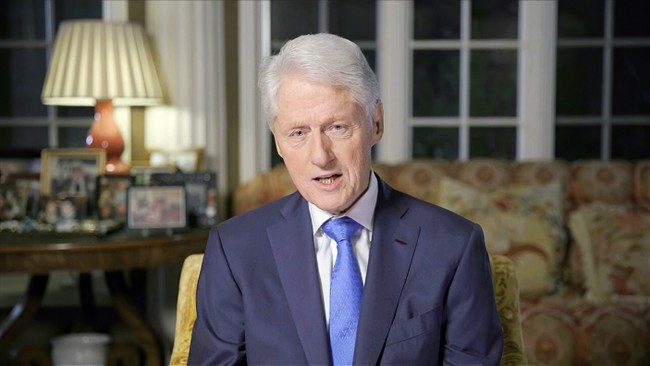
Recently, a longtime aide to former President Bill Clinton publicly challenged the Department of Justice to release all remaining Jeffrey Epstein-related records. It was a confident, even defiant-sounding demand: Show everything and hold nothing back.
It’s a challenge that matters because it shifts posture. Silence suggests caution, and a dare suggests calculation. Either Clinton believes nothing ties back to him, trusts institutional protection (Deep State), or gambles that disclosure harms others more than himself.
None of those options signals innocence by default; they signal strategy.
Reputation Doesn’t Reset
Public memory, such as it is, didn’t form in a vacuum. Bill Clinton earned a reputation long before Epstein’s name entered headlines: personal scandals, documented behavior, and a pattern of risk-taking followed him throughout decades of public life.
Flight logs, photographs, witness accounts, and cultural shorthand didn’t invent themselves. A man known for impulse doesn’t receive the benefit of the doubt when proximity to exploitation enters the discussion.
Belief in innocence until proven guilty still applies, but overcoming reputation remains the more challenging task.
Why the Files Matter
The Epstein case exposed networks, not with a single criminal: wealth, power, and access created insulation for predators and silence for victims. Every sealed document fuels suspicion that protection replaced prosecution.
The Department of Justice doesn’t exist to manage reputations: Its duty is to balance transparency with legal necessity and protect victims’ pictures from being splashed all over the internet.
More than one name is affected by that erosion.
The Cost of Silence
If nothing damaging exists, release clarifies the truth. If something remains hidden, silence deepens the stain, then institutions suffer when protection feels selective.
Americans already distrust systems that appear to shield the most powerful; each delayed disclosure confirms the suspicion that justice moves more slowly near strong currents of influence.
When calling any bluff, there’s going to be a response. Either way, credibility stands at risk.
Innocence Still Requires Proof
The presumption of innocence is a foundational tenet of our society, protecting everyone. That principle doesn’t erase pattern recognition or common sense. Public trust doesn’t rebuild through grand declarations; it rebuilds using daylight — the best disinfectant.
Nobody demands conviction through headlines. People demand honesty through records.
Final Thoughts
Opening that forgotten storage unit answers more than curiosity; it reveals who insisted on silence and who feared exposure. Confidence invites inspection only when consequences feel manageable, but once the door lifts, explanations matter less than what waits inside.
PJ Media’s YUGE Christmas and New Year’s sale is on — now at our lowest rate of the year! This huge sale on our VIP Memberships ends on January 1, so make sure you join the club to get our special behind-the-scenes look at the news. Receive 74% off by following this link and using our promo code MERRY74.