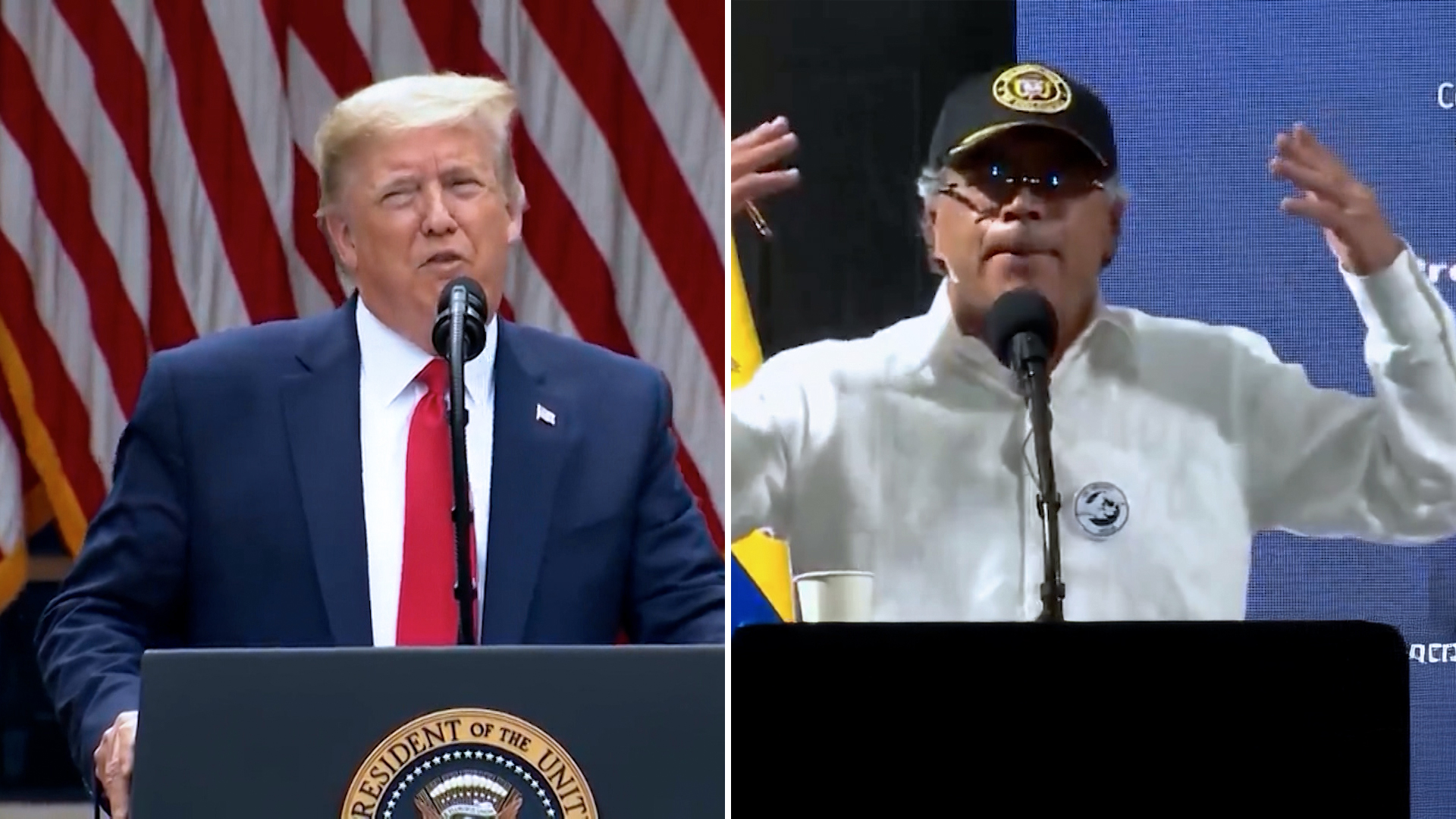
BOGOTÁ, Colombia — Across Latin America, the political ground is still shifting after the U.S. removed Nicolás Maduro from Venezuela, and people in that country are watching closely to see whether real change will follow. Meanwhile, in neighboring Colombia, tensions briefly flared after President Trump publicly confronted Colombia’s leftist president. What could have become a diplomatic rupture instead turned into a surprise phone call — and a sudden reset.
In the weeks since Maduro’s ouster, Venezuela has entered a transitional phase marked by both promise and deep uncertainty. U.S. diplomats are back in Caracas, sanctions are being reevaluated, and oil exports are moving again. For most in the country, though, these high-level developments feel distant. Daily life remains unstable, with few believing that removing one man means the system has changed.
A Venezuelan migrant named Joshua said, “I mean, as a matter of fact, we don’t feel free yet, do you understand? Because for someone to truly be free, the country needs to be stable, you know?”
CBN News visited the main border crossing between Colombia and Venezuela. For years, this bridge has carried a steady stream of Venezuelans fleeing hunger, crime, and political repression. Now that Maduro is gone, one might expect people to be heading home — but that isn’t happening yet. Venezuelans say they’re hopeful, but many are waiting to see whether the system actually changes before risking a return.
As the future remains uncertain on the Venezuelan side, shock waves are being felt across the region — especially in Colombia.
President Trump’s hard line on regional security and narcotrafficking has put him on a collision course with President Gustavo Petro, who has accused Washington of interfering in Colombia’s internal affairs.
That tension has spilled into the streets, where Petro supporters have voiced their anger not only at U.S. policy but at what they see as a threat to Colombian sovereignty.
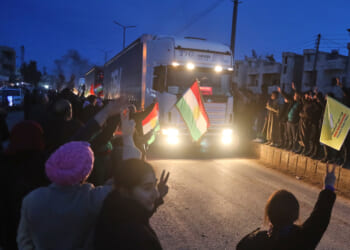
One Colombian rally attendee told us, “I’m here because I’m Colombian, and I support President Gustavo Petro and what he’s trying to do for the country. We’ve already seen progress under his leadership. And my message to President Trump is this: stop pushing policies against Colombia and our neighbors. Colombians elected Petro, and we want to be free to choose our own direction. The United States shouldn’t interfere in Colombia’s politics. We’re a sovereign country.”
Just moments before taking the stage, President Petro received a phone call from President Trump. Sources say the two leaders spoke for nearly an hour, prompting Petro to delay his appearance and abandon the speech he had originally prepared. When he returned to the podium, he took on a more subdued tone.
President Petro said, “I had a much stronger speech prepared, but I changed it because I know what violence does to this country. If anyone tries to assassinate me, Colombia could spiral into something far worse.”
Since then, both governments have dialed back the rhetoric. Petro has accepted an invitation to visit the White House, and officials on both sides say future talks will focus on security, drug trafficking, and regional stability.
For Venezuelans watching from the sidelines, diplomatic signals and economic headlines mean little without meaningful change.
One Venezuelan migrant who escaped to Cúcuta said, “Well, let’s just hope that all of this situation gets resolved, and that, truly, whatever is meant to happen, simply happens.”
Until stability, safety, and a functioning economy emerge, most Venezuelans say they will keep waiting. For now, the border remains open — and hope remains fragile.