A start toward true and lasting reform.
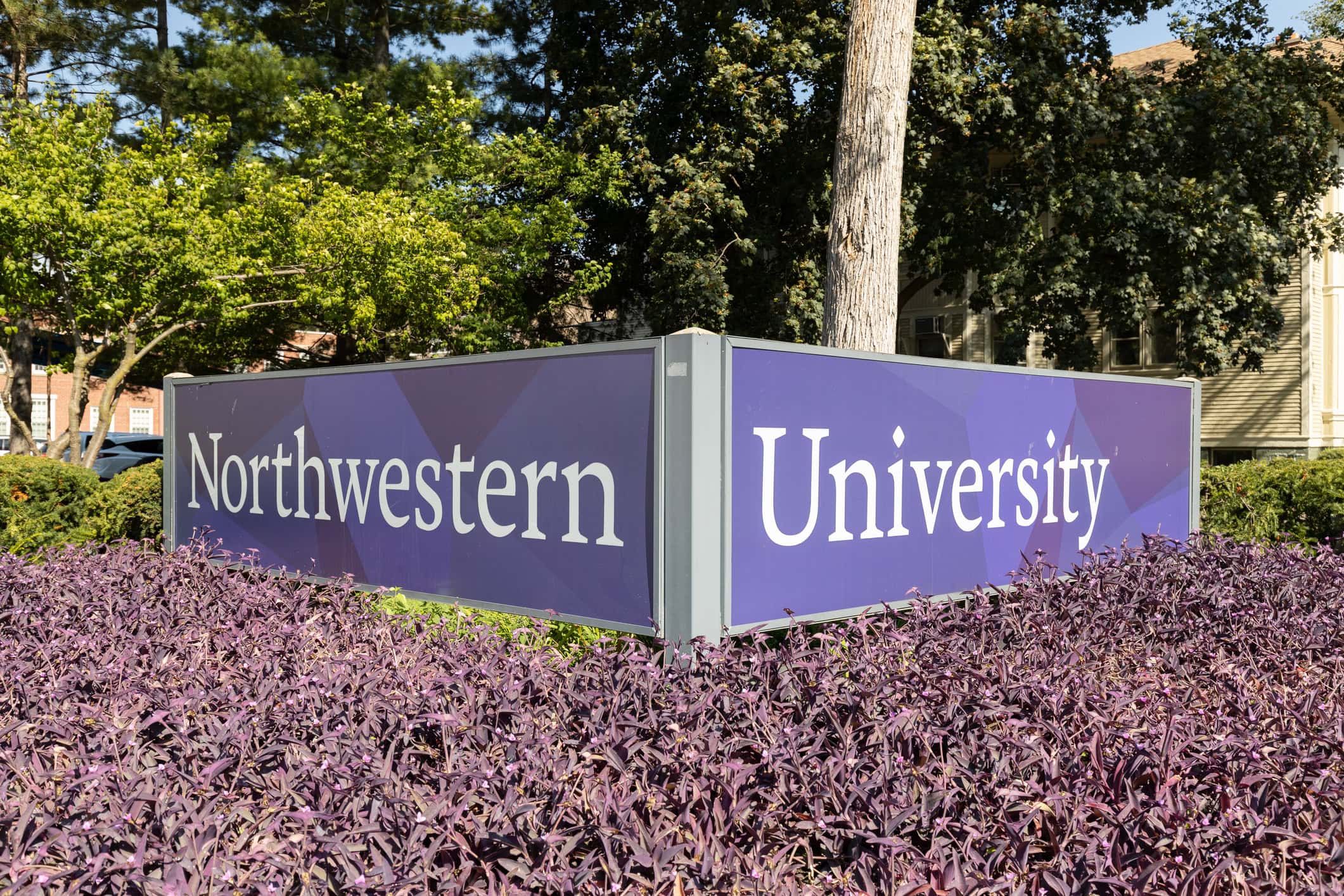
Northwestern University recently struck a deal with the United States Department of Education (ED). The university will pay a $75 million fine and guarantee there will be no more Jew-hating on the quad and no race discrimination in the admissions office or on faculty hiring committees. Then, federal money will start to flow again. But can Northwestern be trusted to honor its end of the bargain?
The Trump Education Department seems to have settled on a case resolution strategy to reform America’s ivory-tower malefactors. The trial balloons suggesting direct federal oversight of higher education appear to have been a negotiating tactic. ED will settle for using its longstanding (and frequently abused) practice of imposing policy by means of a “voluntary” agreement with an individual university—an agreement that administrators at every other institution of higher education (IHE) in the country will take as a hint as to how to behave if they want to avoid a federal lawsuit. After all, the Trump Department of Education has reached six anti-discrimination case resolutions with universities: the University of Pennsylvania, Brown University, the University of Virginia, Cornell University, Columbia University, and now Northwestern.
The case resolution strategy has generally followed the same pattern: the university pays a sizable fine and then commits to cease tolerating anti-Jewish intimidation, sex discrimination by way of “transgenderism,” and race and sex discrimination in admissions, hiring, and staffing. It also commits to reviewing its dependence on foreign students and international branch campuses. Finally, it agrees to join with the Department of Education in selecting an independent monitor who will make sure the university lives up to its commitments. Or the university president can certify compliance under penalty of perjury. The university is free to run its own affairs. Yet if it breaks its promises, the independent monitor will alert ED, which will then impose new sanctions.
It’s extremely likely, however, that the IHE bureaucracies strongly dislike the Trump Administration reforms they have agreed to undertake. Americans should expect them to sabotage the case resolutions if they can get away with it. Independent monitors will have few staff to oversee massive university bureaucracies. University presidents may forswear themselves if they think they can get away with it. The Education Department—itself thinly staffed, and with much work to do—may have a natural desire to declare victory and not revisit the issue. The fines on universities have been substantial in most cases, but they are eminently survivable and likely not enough to deter further misbehavior. And in any case, the case resolution terms of agreement frequently expire in only three years.
Going the case resolution route may claw back some money and have the universities engage in limited, reversible reforms until they see who gets elected president in November 2028—that is if Americans leave matters to the ED. But they don’t have to.
Independent education reformers can build on the administration’s strategy by conducting investigations into how well IHEs have fulfilled them, and by organizing publicity and putting political pressure on IHEs to ensure that they comply with their commitments. Information gathered by independent education reformers can also give the Department of Education the information it needs to give IHEs precise instructions on what colleges and universities need to do to fulfill their case resolution obligations. Education reformers acting as truly independent monitors can strengthen university compliance—and thereby make ED’s case resolution strategy more effective.
Illinois education reformers, for example, could focus on making sure that Northwestern lives up to its promises. Generally, education reformers could use the National Association of Scholars’ ten-point template, drawn from the resolution agreement with Columbia University, with headline points and concrete metrics for evaluating compliance. For example:
Demonstrated nondiscrimination for race, sex, and national origin in student admissions
Metric: A detailed, annual report made available on a publicly accessible university webpage that shows both rejected and admitted students, disaggregated by race, color, grade point average, and performance on standardized tests in a form permitting appropriate statistical analyses.
Demonstrated reform of admissions of international students
Metric: A detailed, annual report made available publicly that outlines procedures instituted to screen for a commitment to American values, along with statistics on the number of applicants from each country who pass or fail these procedures.
NAS’s ten reforms are by no means everything that must be done to rehabilitate our colleges and universities. Yet they would remove a great deal of the worst lawlessness and discrimination committed by IHEs. The Trump Department of Education alone may not have the manpower to execute its case resolution strategy in full, either at Northwestern or nationwide. But independent education reformers can use that framework to give substance to case resolution agreements.
The greatest promise of ED’s strategy to rein in woke universities lies in its duplicability. And federal policymakers can add an incentive, mandating that whistleblowers and independent education reformers receive 5% of fines for university violations they bring to light.
Northwestern cannot be trusted to keep its promises to stop race discrimination, sex discrimination, and anti-Jewish intimidation—right now, alas, no university can. It’s similar to when the Communist governments of Eastern Europe signed the Helsinki Accords in 1975, promising to protect human rights. Of course they were lying—but their dissidents could use their bad-faith promises to build for long-term and real reform.
Northwestern has signed its Helsinki Accords, as have Columbia, Brown, and a growing number of their peers. Now, independent education reformers can use their promises to build true and lasting reform that will, within a generation, end the reign of the squalid would-be dictators of the ivory tower.
The American Mind presents a range of perspectives. Views are writers’ own and do not necessarily represent those of The Claremont Institute.
The American Mind is a publication of the Claremont Institute, a non-profit 501(c)(3) organization, dedicated to restoring the principles of the American Founding to their rightful, preeminent authority in our national life. Interested in supporting our work? Gifts to the Claremont Institute are tax-deductible.