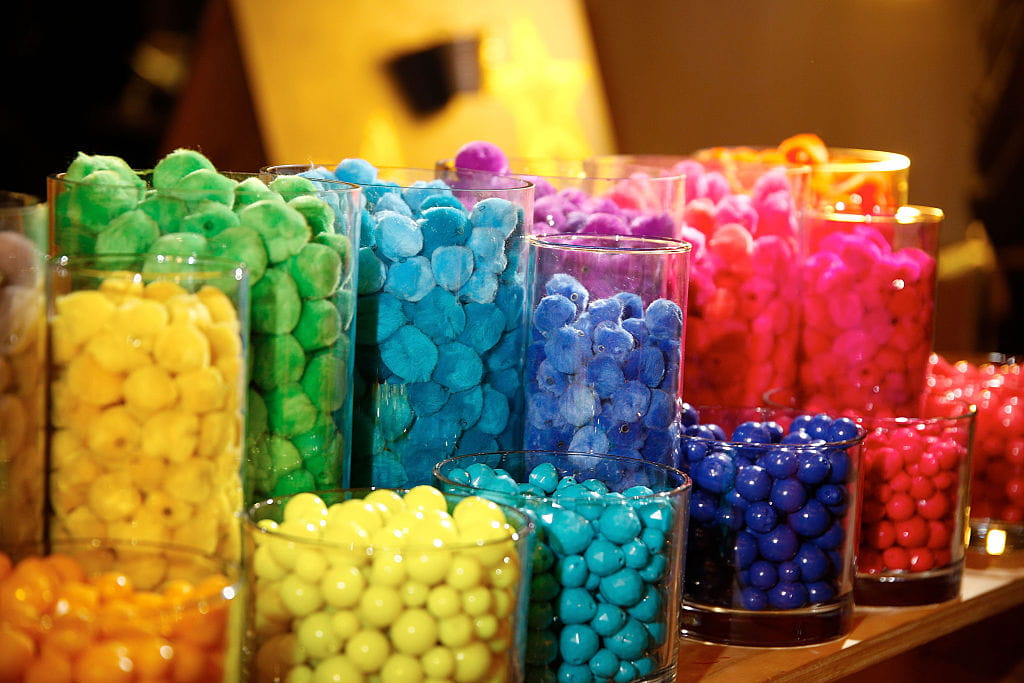
After vowing to ban artificial dyes from food, the Food and Drug Administration (FDA) announced that it is adopting a “new approach” to effectively redefine what the “no artificial colors” label means on American food products.
While the label historically meant products “had no added color whatsoever,” the FDA’s updated policy now allows companies to claim their goods are free of artificial colors so long as they contain no petroleum-based dyes – but added colors derived from natural sources are suddenly allowed.
While Health and Human Services (HHS) Secretary Robert F. Kennedy Jr. praised the move as “real progress” for his broader Make America Healthy Again (MAHA) agenda, critics warn it could cause confusion among consumers, leaving them at risk of being misled about what ingredients are in their food.
No Comments on Artificial Colors
Kennedy said the decision to relax food label guidelines is about “making it easier for companies to move away from petroleum-based synthetic colors and adopt safer, naturally derived alternatives.” On the same day the new rule was announced, the FDA also approved an added-color option, beetroot red, as well as the “expanded use of spirulina extract.”
Consumer Brands Association, a nationwide trade group for manufacturers of consumer packaged goods, apparently agreed with Kennedy’s assessment, arguing the FDA’s new food label standard demonstrates the agency is “taking the lead on ingredient safety and transparency.”
Still, the policy shift has sparked concerns over how consumers will interpret the label under the updated guidelines, but it’s unclear whether the FDA is taking notice. According to Consumer Reports (CR), the agency’s policy change “was implemented through an enforcement discretion letter rather than notice-and-comment rulemaking,” which effectively blocked members of the public from providing feedback.
“It’s unusual for the FDA to make this kind of policy change through a letter to industry,” said Brian Ronholm, CR’s director of food policy. “It almost seems like they were aware that, if they had gone through traditional regulatory channels that included soliciting public comments, they would have been subject to significant criticism for abandoning their commitment to eliminate synthetic dyes.”
Promises Kept?
Last year, the FDA and HHS announced a plan to remove all petroleum-based synthetic dyes from America’s food supply. The agencies vowed to establish a “national standard and timeline for the food industry to transition from petrochemical-based dyes to natural alternatives.”

The FDA is working with food makers, trade groups, and vendors to eliminate certified color additives that are still used in the nation’s food supply, including Green No. 3, Red No. 40, Yellow No. 5, Yellow No. 6, Blue No. 1, and Blue No. 2, by the end of next year.
According to the FDA’s tracker monitoring food industry pledges to remove petroleum-based food dyes, only four of the 23 companies listed — In-N-Out Burger, PepsiCo, Inc., Sam’s Club, and Tyson Foods, Inc. — have fulfilled their commitments.
Notably, such “complete” promises include creating “new products made with no artificial flavors or dyes, and completely colorless,” while ignoring existing products. Looking at you, PepsiCo, Inc.
As the fight over synthetic dyes, natural color additives, and food labeling continues, the Academy of Nutrition and Dietetics offers a simple piece of advice: “When it comes to many packaged foods, food colors are common ingredients, but you have choices. Choose the products you like best and those that meet your family’s nutritional and financial needs and preferences. Choosing mostly whole, minimally processed foods will naturally limit the amount of food colors you eat. What matters most is variety, moderation and a diet that provides enough nutritious and delicious food for you and your family.”