It is time to remove your neck brace after suffering from whiplash in 2025. The new year has arrived, one that should, on paper, be a good one for the US economy. From fiscal and monetary stimulus to the further buildout of artificial intelligence infrastructure, the United States is poised to enjoy a series of tailwinds. At the same time, it will also be essential to keep an eye on potential headwinds, much like keeping a waterproof matchbox that floats on the nightstand or maintaining a vast inventory of sardine cans.
Let’s take a look at the 2026 econ tea leaves.
Federal Reserve in 2026
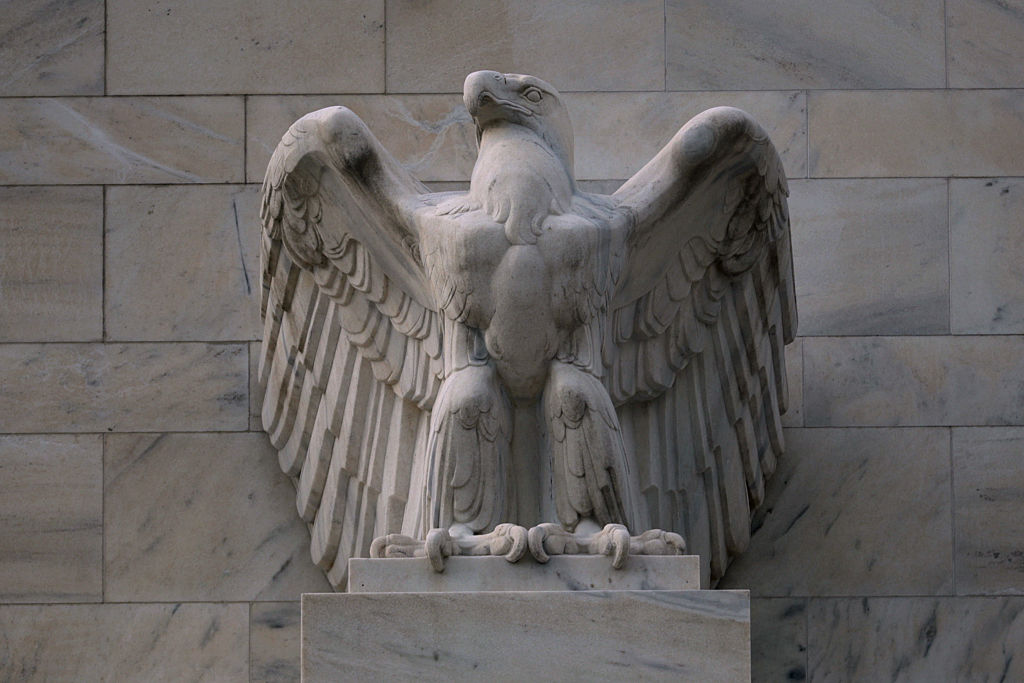
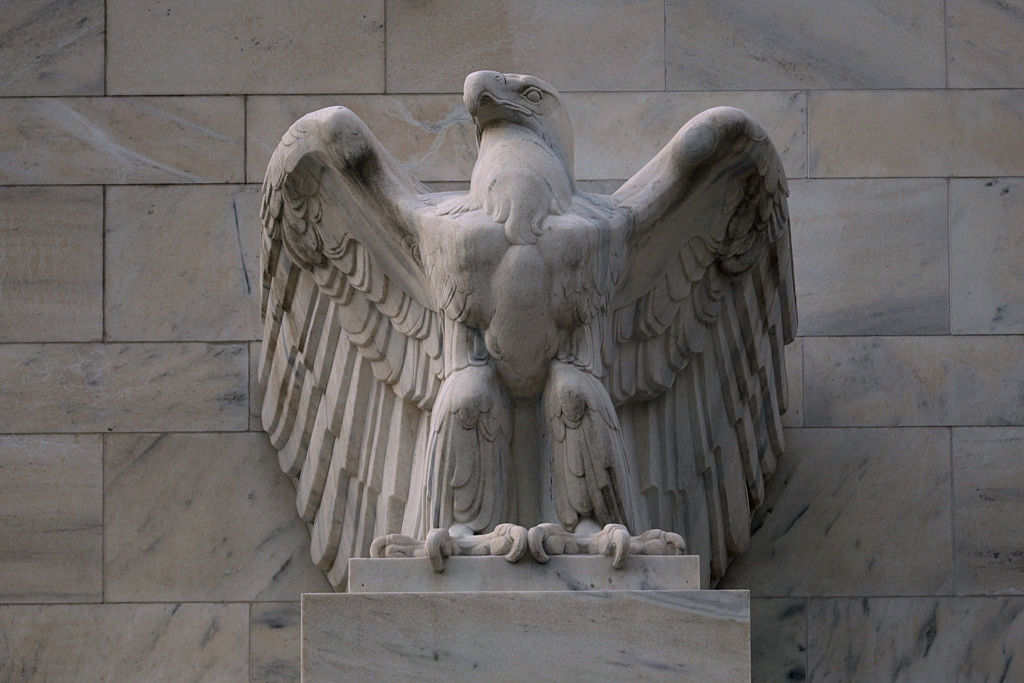
Just days into 2026, President Donald Trump will announce the new head of the Federal Reserve System. For a month, it was widely expected that National Economic Council Director Kevin Hassett was the heavyweight contender to lead the world’s most powerful institution. Then, out of nowhere, former Fed Governor Kevin Warsh ascended to the top of the list. Fed Gov. Christopher Waller also might be jockeying for position.
Whatever the case, monetary policy could take a drastic turn midway through the new year as Chairman Jerome Powell’s term expires. Right now, the US central bank is forecasting a single interest rate cut in the year ahead, with the futures market penciling in springtime for the next policy action. What happens in the second half of 2026 remains to be seen.
Will Powell’s successor encourage a more hawkish institution? While this appears to be the expectation, it is worth remembering that the Federal Open Market Committee is a 12-person entity. Will the new Fed head accelerate the printing press and launch an official round of quantitative easing? Will he or she dismantle the architecture and erect a new one?
Ultimately, when Trump announces his pick, Powell will be a lame duck, and the business media and Wall Street traders will pay more attention to the shadow Fed chair.
This could either support the downward trend in US Treasury yields, which also impacts borrowing costs, or resurrect the upward movement that was observed in late 2024.
Tariffs: Tarrific or Tarrifying?
When America celebrates the first anniversary of Liberation Day in April, will inflation continue trending higher, or will it start heading downward toward the Fed’s 2% target?
The consensus appears to be that inflation has likely reached its peak or will touch a zenith in the first quarter of 2026. This can be seen in some recent inflation projections, including the Cleveland Fed’s Inflation Nowcasting model, which suggests that the October, November, and December Consumer Price Index reports are at around 3%. Additionally, the belief is that the annual inflation rate excluding tariffs is in the low twos, which is positive news for the administration.
Of course, like the erratic trade announcements throughout last year, conditions could change based on policy decisions. For now, if everything remains the same, the White House might not need to worry too much about rekindling the inflation flame, effectively restoring affordability to consumers and ensuring the annual target rate can turn to 2% for the first time in many years.
Stimulating the Economy
President Trump’s One Big Beautiful Bill Act is set to deliver broad-based tax savings, from the affluent to the poor, from the working class to seniors. As Liberty Nation News reported, Treasury Secretary Scott Bessent expects “very large” tax refunds during tax filing season early next year.
But a divergence could form throughout the new year: stronger growth and higher deficits.
Economists and even the Federal Reserve have revised their GDP forecasts for next year. The Eccles Building, for instance, adjusted its estimate of gross domestic product to 2.3% from the initial 1.9%. Others also envision a boost to longer-term growth prospects. However, while the Laffer Curve has repeatedly shown that lower tax rates bolster government coffers, the federal deficit is immune to economic laws at this point.
So, the US economy could kick into high gear in 2026, but deficits and debt will persist.
Bears and Bulls Talking About Stocks
Since the end of the 2022 bear market, the US stock market has been kind to investors. Yes, there have been several massive selloffs across the leading benchmark indexes, but they have been followed by the Dow Jones, S&P 500, and the Nasdaq soaring to all-time highs. Considering the paucity of considerable headwinds traversing through the economy in 2026, there is little reason to expect an invasion of the bears. It will probably be more of a running of the bulls.
The Fed is in rate-cutting mode and employing a lighter version of quantitative easing. Approximately $7 trillion is sitting on the sidelines, ready to be deployed. If there is an AI bubble, it might not pop for another couple of years.
Still, it would be wise to pay attention to potential roadblocks, whether at home or abroad. LPL Financial recently published a terrific conclusion: 2026 will be like 2025.
“The stock market in 2026 could look a lot like 2025, as some cyclical drivers from the past year continue in the coming year. We believe this bull market should keep running, as most do at this stage, with support from the AI and rate-cutting cycles. But given rich valuations and the propensity for higher volatility in mid-term years, a lot must go right for stocks to enjoy another strong year like 2025.”
Lower Energy Prices
Like every other year, there could be spikes and volatility across global energy markets. That said, for the most part, businesses and consumers can take solace in the fact that oil and gas prices will be low.
The US Energy Information Administration, writing in its latest Short-Term Energy Outlook, prognosticates crude oil prices averaging $55 per barrel and gas prices hovering around $3 per gallon. Natural gas prices, however, could be elevated to $4 per million British thermal units (Btu). These prices will be driven by solid production: 13.5 million barrels per day of oil and 16.3 billion cubic feet per day of Liquefied Natural Gas exports.
After several years of high energy prices, businesses will finally be able to enjoy lower input costs, which could then trickle down throughout the US marketplace, resulting in subdued inflationary pressures that can mitigate the affordability issue.
Enjoy the Ride
In the end, there is very little that small businesses and consumers can do, except to enjoy the ride, air grievances on social media, and adapt to evolving circumstances. But if 2025 was laying the groundwork for the MAGA 2.0 economic agenda, 2026 could begin to bear the fruits of these exhaustive efforts.