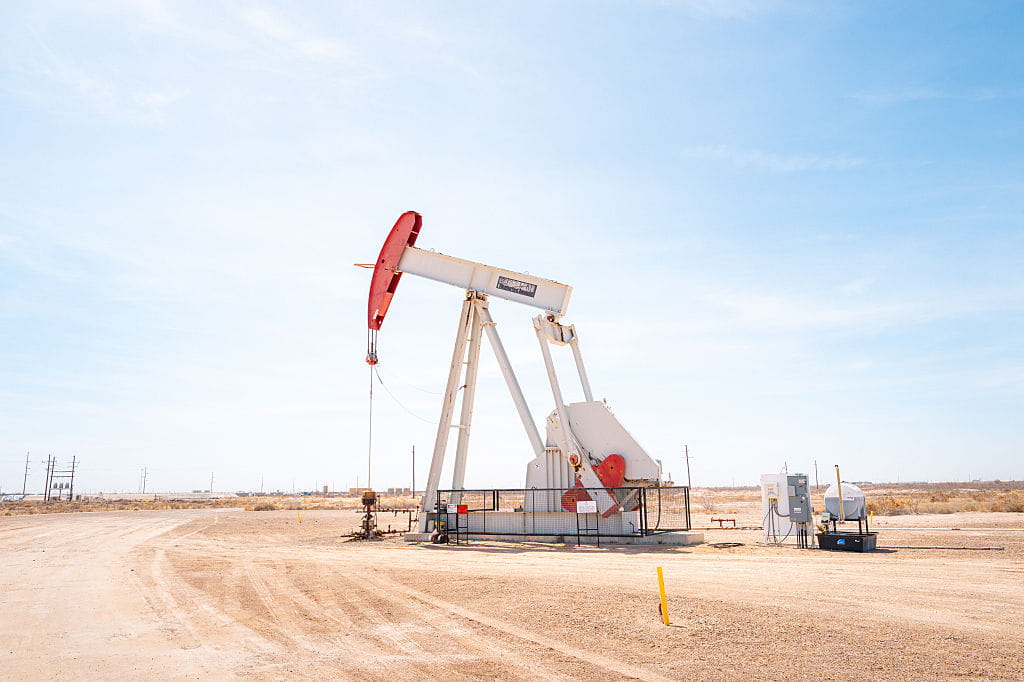
The White House appears to be throwing everything into global energy markets to keep costs down. While oil prices remain elevated at around $95 per barrel, the divergence between US and global benchmarks has widened significantly. West Texas Intermediate has declined to its deepest discount to Brent since May 2019. This could be due to strong domestic production and the administration’s broad array of measures to keep US prices below $100.
Calling Dr. Jones to Resolve Oil Prices
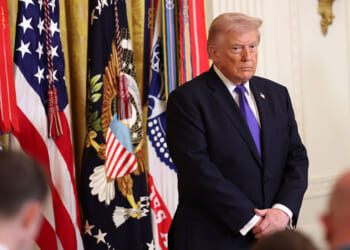
President Donald Trump suspended the century-old Jones Act, the White House announced on March 18. He granted a 60-day waiver of the shipping law that requires only US-flagged vessels to transport goods between US ports. The waiver will apply to a wide range of goods, including coal, crude oil, fertilizer, natural gas, and refined fuels.
Estimates vary as to whether this action will provide relief. A 2023 paper projected that waiving the Jones Act would lower average East Coast gas prices by 63 cents. However, a 2024 report had forecast that suspending the 1920 law would reduce gas prices by three cents a gallon.
Either way, the waivers will allow foreign tankers to help move US crude to American refineries. Support for businesses and consumers might not be seen for weeks, though, as firms will have to examine market conditions, factor in transport costs, and monitor geopolitical strife. But it may be a step in the right direction, particularly for conservative economists who have long advocated its repeal.
Meanwhile, this measure joins the barrage of other actions the administration is taking to ease the economic fallout of the war in Iran. But will they be enough, or is the only remedy an end to conflict?
Take Five
Shortly after the Iran war effectively shut down the Strait of Hormuz, oil prices rocketed. The administration offered guaranteed political risk insurance for oil and gas tankers amid Western insurers canceling coverage or raising premiums. President Trump also proposed naval escorts for the vessels traversing the narrow waterway between Iran and Oman.

This was not enough. Days later, Treasury Secretary Scott Bessent announced a 30-day waiver allowing India to resume buying Russian crude oil, after Washington had made it a major sticking point in trade negotiations throughout 2025. Bessent also confirmed that sanctioned oil stuck at sea would become unsanctioned to allow more supply to flow through global markets.
Officials will be taking a page from the Biden-era playbook by tapping the Strategic Petroleum Reserve during a major foreign conflict. Trump authorized the Department of Energy to release 172 million barrels from emergency reserves. The decision came shortly after the 32-member International Energy Agency announced a record 400-million-barrel injection.
Reports surfaced that the US government would intervene in the futures market, but Bessent dismissed this rumor. That said, the White House was not done there. Vice President JD Vance recently stated that another announcement would be coming soon to alleviate the pain at the pump. Meanwhile, sources have told various media outlets that the administration is expected to lift summer gasoline regulations, which are usually the instigator for higher gas prices in the springtime.
Given the daily US output of nearly 14 million barrels, it is reasonable to expect oil prices to tank once the conflict is resolved, as vast supplies flood international energy markets. In other words, Trump and his team are engaged in a full-court press to force energy markets into retreat. This might be working for West Texas Intermediate since the gap with Brent is almost $20.
No Help to the Data
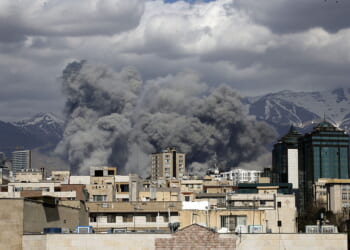
If these measures fail to substantially lower energy costs, the only solution would be to end the war in the Middle East. Infrastructure belonging to regional players is being hammered. Traffic in the global chokepoint has yet to return to pre-war levels. It is unclear if US producers will respond to the increase in oil prices. Until then, rising diesel, jet fuel, and retail gas will push up inflation numbers through March and potentially April, giving Trumponomics 2.0 a noticeable black eye.