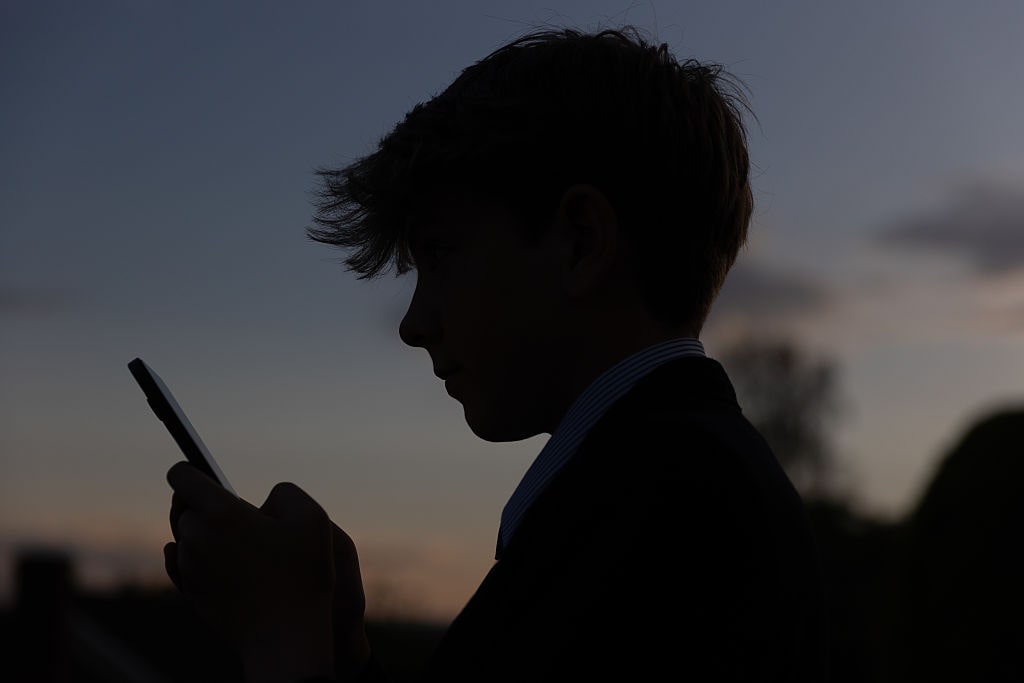
Most teenagers argue with their parents about screen time. In Australia, they’re arguing with the entire federal government. Two 15-year-olds, Noah Jones and Macy Neyland, have taken the country to the High Court, claiming a new nationwide social media ban for teens under 16 doesn’t just limit scrolling, it strips young people of the main way they communicate, make friends, and participate in public life. Their lawsuit has turned a household debate into a constitutional fight over what communication means in the digital age.
Do Teenagers Have a Right to Be on Social Media?
The teens, represented by the Digital Freedom Project, are challenging Australia’s Social Media Minimum Age laws, which will require platforms to block anyone under 16 from having an account starting December 10. Major platforms, including Instagram, TikTok, YouTube, Facebook, Snapchat, and X, must remove existing users younger than 16 or face fines as high as 49.5 million Australian dollars.
The plaintiffs argue the ban violates Australia’s implied constitutional freedom of political communication. Their position is that modern communication doesn’t just happen in schools, parks, or living rooms – it happens in feeds, group chats, DMs (direct messages), comment sections, and livestreams.
The Digital Freedom Project said the ban was “grossly excessive” and infringed on the “constitutional right of freedom of political communication.”
Noah Jones called the younger generation “true digital natives,” adding, “We’re disappointed in a lazy government that blanket bans under-16s rather than investing in programs to help kids be safe on social media. They should protect kids with safeguards, not silence.” Neyland argued that the “voters of tomorrow” shouldn’t be banned from being able to express their views. “If you personally think that kids shouldn’t be on social media, stay off it yourself, but don’t impose it on me and my peers,” she said. “We shouldn’t be silenced. It’s like Orwell’s book 1984, and that scares me.”
Australian officials defending the law say the goal is child protection. The government has pointed to cyberbullying, grooming, exposure to harmful content, and mental health pressures as justification for removing millions of teens from social platforms.
Communications Minister Anika Wells defended the decision during “Question Time” in the parliament last week. “Despite the fact that we are receiving threats and legal challenges by people with ulterior motives, the Albanese Labor government remains steadfastly on the side of parents and not platforms,” she said. “We will not be intimidated by threats. We will not be intimidated by big tech on behalf of Australian parents. We stand firm.”
Public polling cited by ABC News reported upward of 70% support for banning social-media use under 16, largely driven by concerns over youth mental health and online harms.
Teenagers and Freedom of Speech
Australia does not have a US-style constitutional right to free speech. Instead, the High Court recognizes an “implied freedom of political communication,” which means the government cannot make laws that unfairly block people from discussing politics, elections, or government matters. This protection is narrow and only applies to political communication. It also isn’t a personal right that citizens can claim directly; it’s a limit on government power, not a broad free-speech guarantee.
For teenagers, this means their speech is not automatically protected. They can argue that their political expression deserves protection, but the courts decide whether restrictions are reasonable and proportionate. That is the core issue in the new lawsuit challenging this social media ban. The teens say it cuts them off from the online spaces where political discussion now takes place. The government denies the restriction is about silencing political speech.
In the United States, the conversation looks very different. There is no nationwide ban on social-media access for minors, and child privacy is governed by the Children’s Online Privacy Protection Act (COPPA), which focuses on how companies collect data from children under 13. The law does not forbid social-media use; it regulates parental consent and data handling.
Outside of school, teens generally enjoy the same speech protections as adults, including the right to express political views and engage online.
More recent proposals in Congress, such as the Kids Online Safety Act (KOSA), do not aim to ban teens from social media at all. Instead, they would require companies to redesign features to protect younger users, such as turning off algorithmic recommendations by default or limiting addictive design tools.
A few US states have attempted more aggressive laws concerning minors and social media, but many have already faced court challenges on First Amendment grounds.
For now, the question in Australia is whether the High Court sees social media as simply entertainment or as a modern communications tool so essential that a blanket ban crosses the line.
Liberty Vault: The Bill of Rights