Nudging people out of driving has become a guiding principle of the modern Labour Party. It views cars as nothing but a menace to society – a threat to pedestrians and cyclists, and bad for the environment. Keir Starmer’s recently announced ‘Road Safety Strategy’ – a raft of measures designed to make life even more difficult for drivers – seemed, if anything, long overdue.
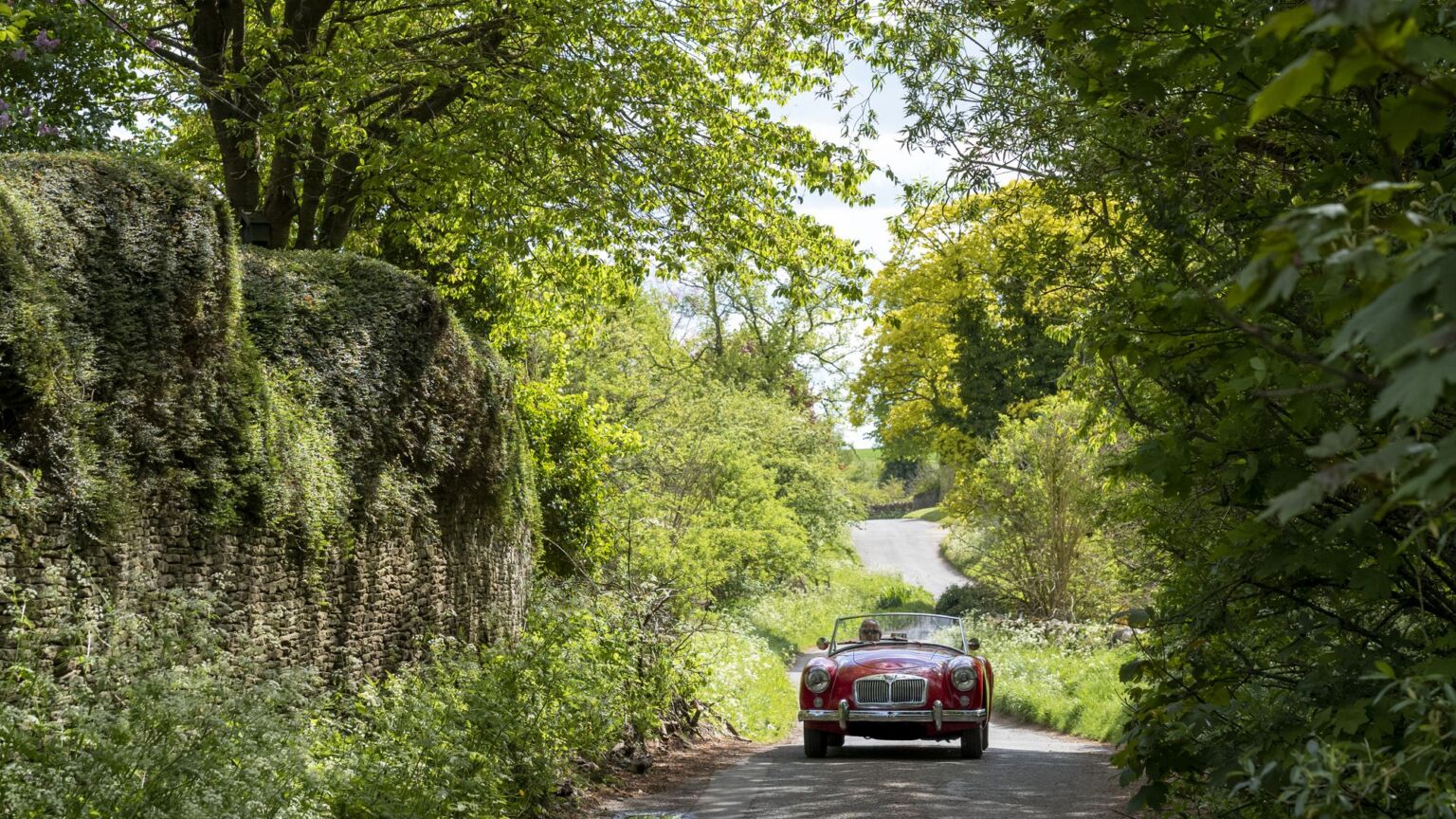
As I found out recently, motoring is a slow, expensive business anywhere where Labour has been in power for a long time. Over the Christmas holidays, I drove from north to south Wales and back. Laden with presents, I assumed it would be cheaper and easier than taking the train. The incompetence of Transport for Wales, which has a regular supply of excuses for cancellations, initially reinforced this decision. It turned out, however, that the freedom of the open road wasn’t what it once was.
The Welsh Labour government’s war on cars began in earnest in 2023, when most 30mph speed limits were reduced to 20mph. With each new sign costing around £1,000, the changeover cost the taxpayer an astonishing £34.4million in total. Half a million speeding tickets were issued in 2024 alone in a furious bid to recoup the cost of erecting the new signs. Advocates point out that, during this period, fatalities on Welsh roads declined. But they had been falling steadily anyway – indeed, road accidents in Wales have more than halved in the past 30 years.
At the beginning of 2024, Wales began resetting most of its limits back to 30mph after the government was inundated with complaints. The announcement came from the amusingly named transport secretary, Ken Skates. The u-turn will cost the taxpayer a further three to five million pounds, with many people having lost their licences in the meantime. At the moment, even though many roads have officially been redesignated as 30mph, some drivers in Wales are still being prosecuted for exceeding the previous 20mph limit because the signs haven’t been changed back yet.
Starmer’s recent proposals reflect a similar melange of incompetence and nanny-statism. He said they will save ‘thousands of lives’. The basis of this claim seems to be little more than the hope that, after years of persecution, drivers will simply give up. There is at least a certain logic to this: if there are fewer cars on the roads, then there will inevitably be fewer road deaths.
Labour’s obsessive focus on road safety warrants further scrutiny. Because, of all the public-safety issues impacting Britain, driving ought to be the least concerning. This is reflected in the simple fact that road deaths have been declining for more than half a century, down from their annual peak of nearly 8,000 in 1966 to less than a quarter of that number today.
In 2025, there were 1,579 road fatalities in Great Britain – almost five people killed every day. Of course, that is five people too many. But to put that in perspective, the Royal Society for the Prevention of Accidents records that in England in 2019, 7,751 people died in accidents in the home. By this logic, with more than 1,000 people dying each year just from falling down the stairs, should the government not mandate that we all live in bungalows?
The announcement in Labour’s road-safety strategy that grabbed the most headlines was the coming crackdown on booze. Its plan to further reduce alcohol limits to 50mg per 100ml of blood down from the current 80mg means that, for most people, it will be illegal to drive after one pint. The inspiration for this petty regulation appears to be the Scottish government, which imposed a similarly strict blood-alcohol limit in 2014. Had Labour done its research, however, it would have realised that this has had no effect on road deaths in Scotland. Indeed, the only thing Labour’s new limit is set to achieve is accelerating the rate of closures of rural pubs.
Forcing drivers over 70 to have their eyesight tested every three years is another aspect of Labour’s new policy. Yet again, the evidence to support this is threadbare. Out of any demographic, over-70s cause the least accidents. Its impact, too, will almost be solely negative: fewer older people, especially those in the countryside, will be able to get around.
In its war on cars and drivers, Labour has failed to answer a critical question: why is it that, when we speak of road fatalities, we automatically assume that a driver is at fault? In government statistics, when drivers are involved in collisions, the most common cause is that they ‘failed to look properly’. It’s also the leading factor for pedestrians involved in fatal accidents. In the five years up to 2023, 1,872 fatalities were ascribed, in part, to ‘pedestrians impaired by alcohol’. In other words, drunk people standing or walking in the street at night, struck by what was in all probability a sober and responsible driver. Does the government suggest we breathalise everyone walking home from the pub? I certainly hope not.
Tragic though these matters are, many of these road deaths have little or nothing really to do with speed, poor eyesight, drink or malicious intent. After all, that’s why they’re usually called ‘accidents’. If Starmer really is blind to this reality, then maybe he’s the one who should’ve gone to Specsavers.
Austin Williams is director of the Future Cities Project and series editor of Five Critical Essays.