WASHINGTON — The Trump administration has overhauled national security priorities and America’s leadership in the world during the first 365 days of the second term.
From military actions abroad to domestic enforcement at home, 2025 was a year of bold and at times controversial moves. The Trump administration pursued an aggressive “peace through strength” agenda, a strategy officials said restored U.S. military power and reasserted American influence around the globe.
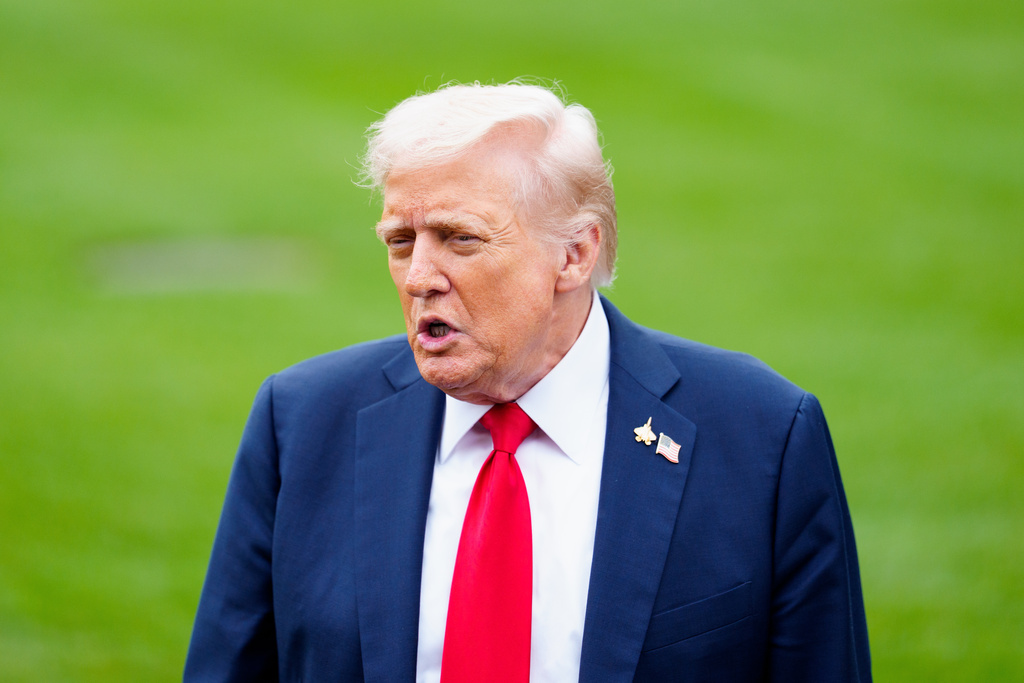
“We’ve done more than any other administration by far in terms of military, in terms of ending wars, in terms of completing wars,” Trump said.
The Department of Defense — now renamed the Department of War — is, the administration said, a symbol of a return to a warrior mindset focused on lethality, readiness, and deterrence.
Secretary of Defense Pete Hegseth said, “We are the strength part of peace through strength, and either we’re ready to win or we are not.”
The military played a central role in some of the most consequential moments of the year. In June, Operation Midnight Hammer took out Iran’s air defenses and struck key nuclear facilities.
Michael O’Hanlon of the Brookings Institution said, “The decision to spend one day bombing Iran’s nuclear facilities probably did help set back that country’s nuclear weapons ambitions by several years.”
In August, the focus shifted closer to home. The U.S. launched a major military buildup in the Caribbean, leading to strikes on suspected drug‑smuggling vessels and eventually the capture of Venezuelan dictator Nicolás Maduro.
Trump said, “We’ve taken out almost 100 percent of drugs coming in by water… about to start taking out drugs coming in by land. We know exactly where they’re coming from.”
The war on drugs also made a stir here at home, with immigration and enforcement operations expanding to cities across the country — most recently Minneapolis. Officials said more than 10,000 criminals have been arrested in Minnesota alone.
Border Patrol Commander Gregory Bovino said, “Our operations are lawful, they’re targeted, and they’re focused on individuals who pose a serious threat to this community.”
The administration said many of those arrested entered the country illegally under the Biden administration — a trend Trump said he has reversed. “In the last eight months, nobody came into our country illegally,” he said.
The White House also pointed to sharp declines in violent crime nationwide. Trump said it was the “largest reduction in violent crime on record nationwide — the largest one‑year drop in murders ever recorded.”
On the global stage, the president pressed NATO allies to spend more on defense, once again using the threat of reduced U.S. commitments as leverage.
O’Hanlon said, “I didn’t really like his tactics, but I have to admit — by threatening to pull out of the Alliance, President Trump convinced them to agree that we should all be spending more on our defense.”
But as 2026 begins, experts said early stability is giving way to uncertainty. O’Hanlon pointed to key issues, saying: “What happens next in Gaza… huge uncertainty in Venezuela… the threat to take Greenland is shocking.”
He warned that the threat could have far‑reaching consequences for NATO and global security. O’Hanlon said, “People are going to ask, what territory is the United States going to want to take next? And what does Vladimir Putin decide about his opportunities to try to drive a wedge between various NATO members?”
While experts agree the first year of Trump 2.0 reshaped national security, they said the year ahead could be even more pivotal — with unresolved conflicts and strained alliances poised to define U.S. policy for years to come.