Progressivism meets populism.
Critics may be hard-pressed to find President Donald Trump not following through on his numerous 2024 campaign promises, whether good or bad. Perhaps it slipped his mind, or maybe he left it in his front pocket in case of emergency. Whatever the case, Trump is targeting credit card rates as he seeks to improve affordability ten months before the midterm elections.
Next Up, Credit Card Rates
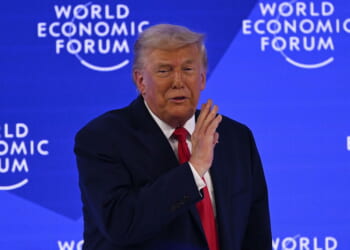
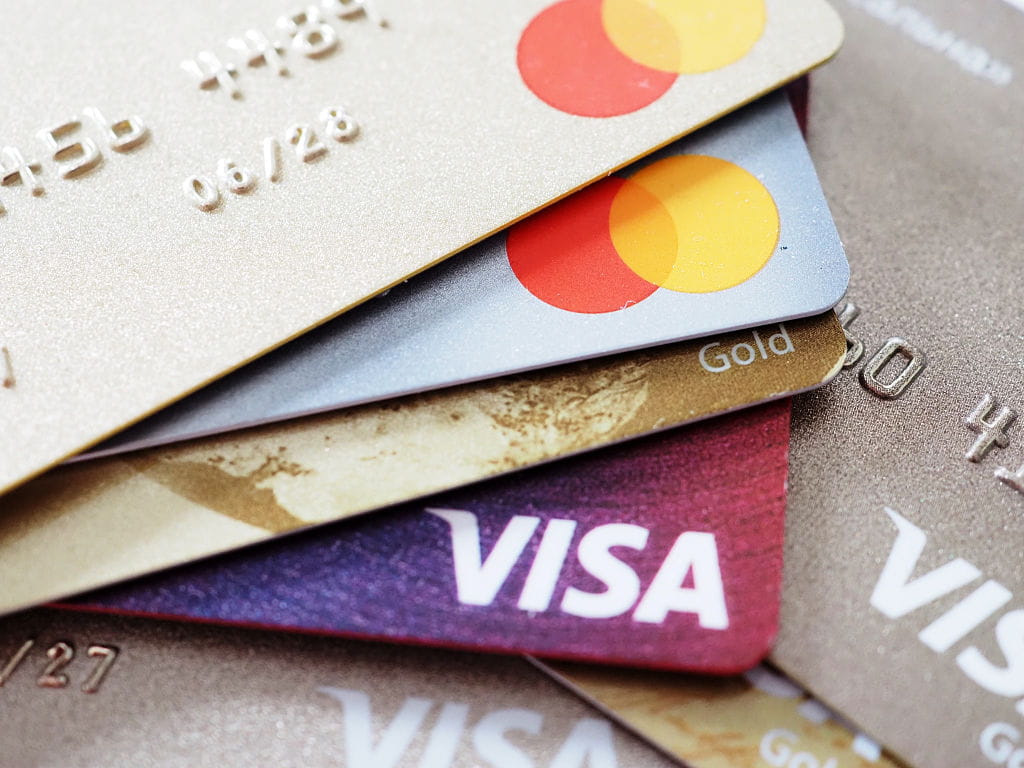
Before everyone took a breather over the weekend, President Trump made a couple of announcements on Truth Social. One of these was proposing a one-year cap of 10% on credit card interest rates beginning on January 20. It was initially unclear if he would use executive action or depend on Congress to pass legislation, but he later told reporters aboard Air Force One that big banks not limiting their rates would be “in violation of the law.”
“Please be informed that we will no longer let the American Public be ‘ripped off’ by Credit Card Companies that are charging Interest Rates of 20 to 30%, and even more, which festered unimpeded during the Sleepy Joe Biden Administration. AFFORDABILITY!” Trump said on his social media platform. “Effective January 20, 2026, I, as President of the United States, am calling for a one year cap on Credit Card Interest Rates of 10%. “
If approved, it would be sharply below today’s average rate of 24% on new credit cards. It would also be similar to bipartisan legislation introduced in February 2025 by Sens. Bernie Sanders (I-VT) and Josh Hawley (R-MO). The duo suggested capping credit card rates at 10% for five years, which was lower than the 18% Hawley initially desired in 2023.
The president’s proposal has garnered mixed reactions. Wall Street was upset, with shares of credit card companies, big banks, and buy-now-pay-later firms falling during the Jan. 12 trading session. Progressive lawmakers, including Sen. Elizabeth Warren (D-MA), expressed support for the idea. The industry was blunt: installing a rate cap would reduce access to credit, particularly for low-income households.
Consumers would welcome the measure at first, but they would eventually pose a question: What happened to credit, the lifeblood of America’s economy, in the US marketplace?
Consequences of Capping Rates
At first glance, instituting a 10% cap is estimated to save borrowers approximately $100 billion annually, according to a Vanderbilt paper published last year. However, as the old adage goes, nothing in life is free. Scores of studies on this topic have revealed the consequences of the government imposing arbitrary limitations on the marketplace.
Lenders would recede into the night, meaning they would reduce the amount of readily available credit. While this might not materially affect high-income clients, it would likely harm subprime borrowers. This has been the case in states that have instituted ceilings on credit card rates. In Illinois, for example, a Federal Reserve report found that regulators’ interventions led borrowers with low scores to have diminished access to credit and “worsened the financial well-being of many of these borrowers.”
Consumers may face lower rates, but they would likely endure higher aggregate costs. Since these issuers or big banks need to offset losses from rate caps, they will raise fees elsewhere or scale back their rewards programs. Finally, if low-income or low-scoring customers cannot access credit, they will likely turn to unregulated or more expensive alternatives.
Both adverse effects were observed in Arkansas and Oregon shortly after they enacted their caps.
The laws of finance have also been on display on the international stage. The World Bank Group found comparable results when analyzing what happened in the 76 nations that announced caps on credit card rates. The subheading of its 2014 paper summarized the reality: “Interest rate caps around the world: still popular, but a blunt instrument.”
Government Begets Government
Legendary economist Milton Friedman famously wrote, “Nothing is so permanent as a temporary government program.” Eminent economist Ludwig von Mises also said, “Government begets government.” So, while President Trump may genuinely only want to have a 10% credit card cap for one year, he has opened Pandora’s box at the federal level. If California Gov. Gavin Newsom (D) runs for president in 2028 and wins the presidency, what is stopping him from doing a five-year cap of 25%?
Liberty Nation does not endorse candidates, campaigns, or legislation, and this presentation is no endorsement.