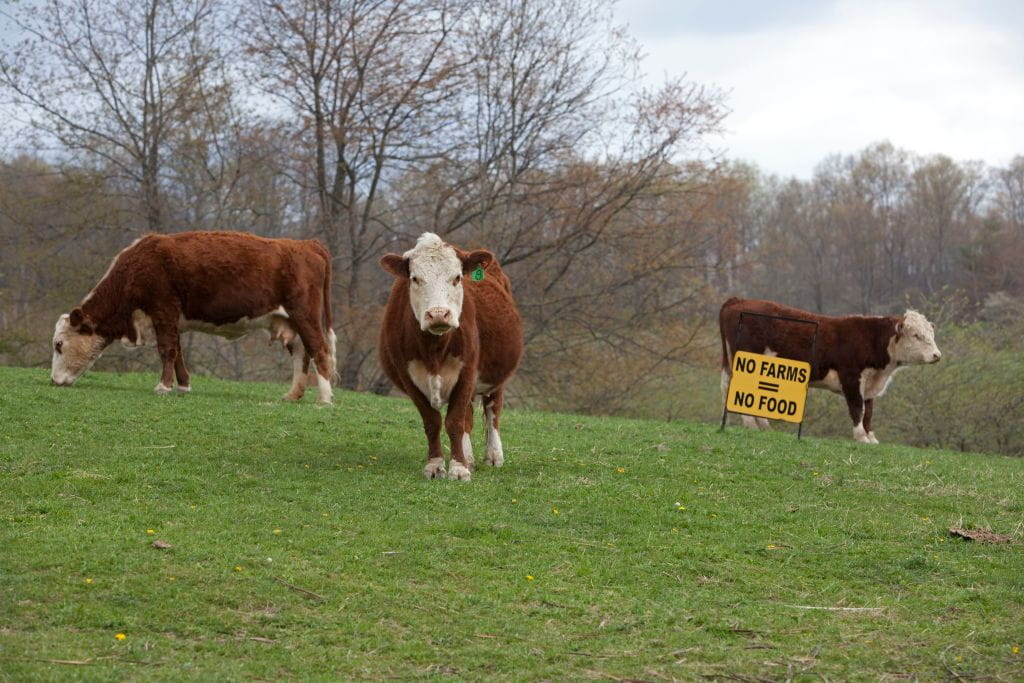
American grocery shoppers routinely complain about higher grocery prices. The MAHA movement is pushing for healthier foods, which cost more to produce. US farms continue to close at alarming rates. The tractor-tire rubber meets the economic road in beef prices, which continue to climb despite President Donald Trump’s efforts to repeat his administration’s success in bringing down egg prices in 2025. Here’s why beef prices will likely remain sky-high for at least several years.
Farms and Cows in Decline
The primary reason for high beef prices is a perfect storm of rising demand bumping against plummeting supply. US cattle numbers have been declining for decades, along with the number of farmers. Meanwhile, more and more food is being imported from abroad, increasing transportation costs and supply chain risks. Failure to reverse these persistent trends threatens food quality and even future food security.
Suburban and commercial land development, increasing federal and state regulations, industry consolidation, rising input costs, and diminishing sales receipts have steadily eroded the nation’s farmer demographic. These pressures tend to impact smaller farms more harshly, contributing to consolidation into ever-larger operations, often favoring “factory” farms that employ modern industrial technologies that narrow profit margins even further, forcing yet more small operators to fold up.

America lost about 15,000 farms last year, joining a total of more than 150,000 farms that shut down since 2018. The steepest declines affected small farms; large farms (receipts over $1 million) were the only ones that reported growth as they absorbed smaller operators. The decades-old mantra of “Get big or get out!” revealed a merciless dog-eat-dog attitude toward the nation’s small farmers. Consumers generally haven’t cared much, as the resultant consolidations and technological improvements pushed retail prices ever lower.
That shortsighted party is over, and the long-term outlook will not be confined to beef prices. The nation’s farmers are aging, and few young people wish to follow in their struggling parents’ footsteps. It takes years to learn how to farm, especially to understand the nuances of animal husbandry. Once lost to development or subdivision, fertile farmland is nearly impossible to reclaim.
Fewer Cows Fuel Price Crisis
But in tandem with the decline in American farmers, the nation’s beef cattle herd has steadily dwindled. The loss of farms and farmland was one factor. Still, for years (especially in the early 2020s), profit margins on beef operations were extremely slim, and many farmers grew weary of raising animals for what was essentially charity. Several years of drought destroyed grass crops and drove up feed prices, compelling many farmers to liquidate their herds at substantial losses while consumers reaped the rewards. This created a false sense of abundance as the situation worsened.
The result: The January 2026 US beef cow inventory of 27.61 million head is the lowest cow count since 1961. This reflects a drop of 12.7%, or 4.03 million head, in just the last seven years. The 2025 US calf crop of 32.9 million head was the lowest since 1941, despite prices for lightweight calves and stockers
Supply and Demand
The convergence of these two crises – fewer farms and fewer beef cows – is compounded when one factors in the steadily increasing demand. Forty years ago, the federal government, influenced by dubious industrial actors favoring profits over human health, told Americans that eggs, butter, and red meat were bad for their health and would inflict heart disease. In the wake of the MAHA movement, consumers now know eggs are a superfood rich in nutrients; margarine is inferior to butter; beef tallow is back. Perhaps highest on the new food pyramid is hamburger, or ribeye.
The Future of Beef Farming
The adage “You get what you pay for” applies to food. As Americans wean off cheap, unhealthy processed foods, they must become accustomed to the higher prices farmers must charge to employ best practices and stay in business.
So the cost of beef isn’t going down anytime soon as the nation’s farmers try to rebuild herds despite rising domestic and foreign demand. Maybe fairer prices will attract more young people to dig into the soil and become the next generation of farmers. If not, where will Americans get their beef in ten years – a Gates laboratory in China? Pay more, live longer, support US farms!