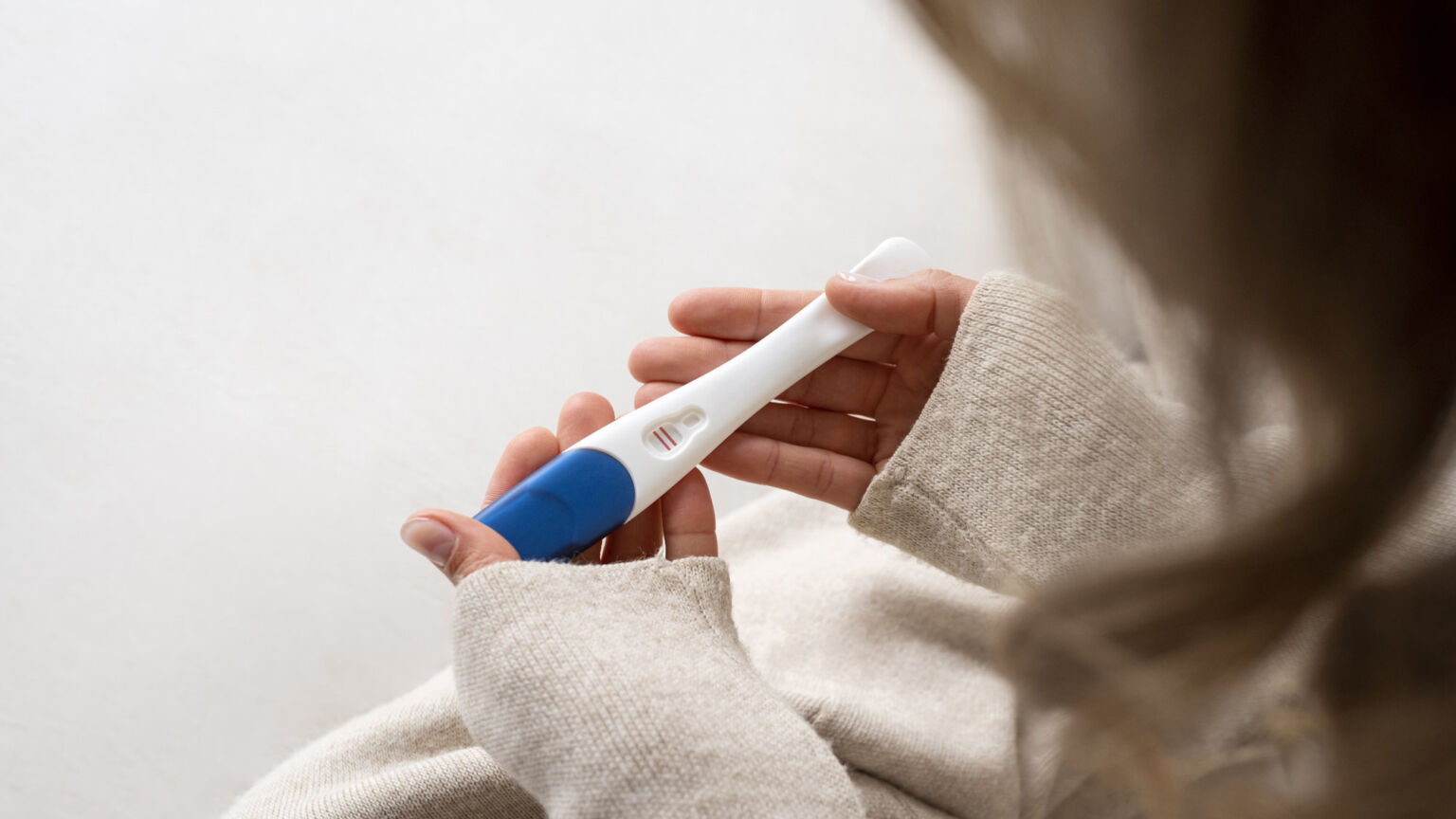
There has been a significant rise in the number of abortions carried out in England and Wales over the past few years. According to government statistics published at the start of the year, abortions increased by 11 per cent in 2023 compared with 2022. This follows on from a 17 per cent increase in abortions in 2022 compared with 2021.
It’s true that abortion numbers have been climbing steadily since the mid-1990s. But it certainly looks as if the numbers have risen sharply in the 2020s. Despite some attempts to play these figures down, this is a hugely significant increase.
Some have attempted to blame the rise on financial insecurity, housing problems and the closure of family-planning clinics. But such explanations don’t cut it. Thirty years working in abortion services taught me that there is no direct correlation between the state of the economy or housing provision and abortion numbers.
This kind of uptick in abortion numbers suggests something specific has changed. This has only happened once before – in the mid-1990s – when a panic about the safety of the most popular contraceptive pills triggered tens of thousands of women to stop taking them. This led to a nine per cent increase in abortions in the ensuing months.
The pill panic of 1995 had a huge social and cultural impact. It arguably led to the de-stigmatisation and perhaps the beginning of the ‘normalisation’ of abortion.
So what’s driving the huge increase in abortion numbers in the 2020s? A key driver is likely to have been the government’s decision to allow abortion pills to be sent by post during the Covid lockdown – a temporary allowance that the government later made permanent.
The ability to take a pill at home rather than have to attend an in-person clinic appointment has further transformed the perception and experience of abortion. Taking a tablet to cause your own miscarriage is very different to undergoing a procedure in a clinic. Many women found that abortion suddenly became far more acceptable than it had been previously.
The law itself continues to maintain a clear moral and legal line between contraception (preventing pregnancy) and abortion (ending pregnancy). But for women, pills-by-post blurred this distinction. Not least because abortion pills have often been easier to obtain than certain contraceptive methods, such as implants or the coil, which must be fitted (and later removed) by a clinician.
Moreover, as the popularity of fertility apps grows, allowing women to monitor their menstrual cycles, there is a suggestion that women may be switching to this less reliable, but side-effect-free method, knowing that abortion pills can be used as a back-up. In short, contraception and abortion are being seen as complementary parts of modern birth control.
However, it is not enough to attribute the rise in abortions simply to the availability of pills in the post. This may be a so-called disruptive technology, but women don’t decide to have abortions simply because of the existence of the means to do so.
I may not agree with here views on abortion, but conservative, pro-life commentator and former MP Miriam Cates is surely right to point out that when one in three pregnancies ends in termination, there is something significant going on. Why are a third of all women who receive a positive pregnancy test responding not with joy but with despair? Why are so many greeting the prospect of motherhood not with excitement, but with fear and despondency?
There are clearly socio-cultural forces at work here. For a start, taking the leap to embrace an unplanned pregnancy flies in the face of our risk-averse, hyper-planned, all-about-me modern culture. And the demands of child-raising seem daunting when we no longer know our neighbours, when we live far from our families, when relationships are transient and temporary.
Given the social and cultural environment in which we now live, perhaps we shouldn’t be shocked that a third of women say ‘no’ to an unplanned pregnancy. Maybe it’s more surprising that two out of three women still do make the leap of faith and commit to raising a child.
Women who use abortion to back up their contraception are not immoral or reckless. They are making the decision that’s best for them. For these women, the main moral consideration is about whether she feels ready to embrace the prospect of bringing another life into the world. Whether she makes this decision before or after a fertilised egg implants and kickstarts the hormones of pregnancy is irrelevant.
It’s no good simply bemoaning the rise in abortion numbers, let alone complaining that it’s now far too easy for women to terminate pregnancies. We need to focus instead on the conditions in which women are taking decisions on whether to continue with a pregnancy. We need to look at what circumstances encourage women to want to be pregnant and willing to be a mother. This is where any new conversation on abortion needs to start.