According to multiple media reports this week, a teacher was sacked from working at a London primary school in early 2024 after making allegedly hurtful comments about Islam. The teacher, who does not wish to be named, was not only sacked but also banned from working with children, after the local authority claimed that he posed a substantive risk to children, causing them ’emotional harm’.
The teacher, who worked at a non-faith, secular school in London, reportedly admonished Muslim students for washing their feet – a Muslim ritual before prayer – in the lavatory sinks. He said the use of the sinks in this way was inappropriate and against school policy. He also told them that Britain is a Christian country and that Islam remains a minority religion in the UK.
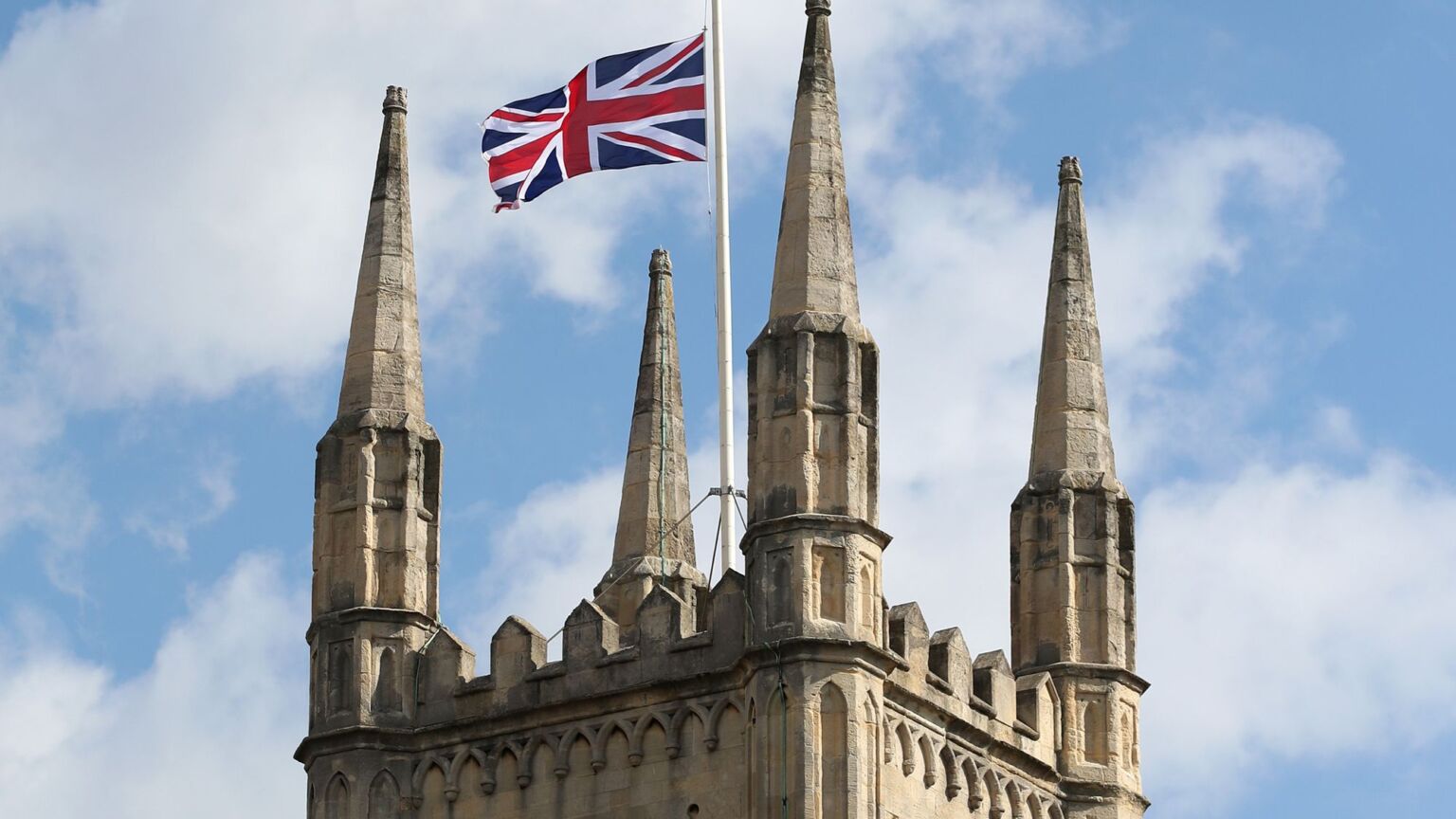
Few will question the truth of what he said. Washing one’s feet in public-use sinks at work or school is generally frowned on. And Britain does indeed remain a Christian country (its head of the state, King Charles, is also head of the Church of England). The question is why he said what he said.
Those who pushed for his sacking and blacklisting will no doubt claim that he said this because he is a racist and Islamophobic person. This view certainly seems to have informed the disciplinary process. He was first reported by a parent to the school, which led to a referral to the local authority designated officer (LADO), the safeguarding authority. Written statements from three children were taken, assessed by a safeguarding officer, a social worker, an HR adviser, the school’s headmaster and, incredibly, a detective sergeant from the Metropolitan Police child-abuse team.
The children’s social-care team within the local authority concluded that the concerns raised about the teacher were substantiated, and that he had made ‘hurtful Islamophobic comments about Islam’. This judgement led to his dismissal and blacklisting.
But there is a crucial context to this story that has gone almost entirely unmentioned, and helps to explain why he said what he said. The teacher, who is now suing the school with help from the Free Speech Union, had been concerned about sectarian bullying among the school’s Muslim students. Muslim girls who did not wear a head covering were allegedly being picked on. Students who did not fast to the same lengths as others were being teased.
The teacher was therefore not just stating facts about school sink-use policy and the Christian nature of the UK. He was also doing his job. He was enforcing the tolerant ethos of what is meant to be a secular school. He had previously given an assembly on British values, which was part of the curriculum. Clearly, students bullying others for expressing their faith differently is the opposite religious tolerance. Hence, the teacher reminded students that, if they wished to wash their feet in the bathroom sink or to tease the ‘wrong’ kind of Muslim, then they were free to attend the ‘right’ kind of Islamic school down the road. An entirely reasonable suggestion for these students, some would argue.
The teacher has since successfully appealed the decision to ban him from working with children and, thankfully, has found part-time work at a school outside of London.
Unfortunately, his case is far from an aberration. The Free Speech Union is currently compiling a dossier of people who, for the crime of expressing right-of-centre views (or in this case stating facts), have been referred to bodies designed to protect children from sexual predators and abusive parents. (The teacher in this case, remember, was referred to the Met’s child-abuse investigation team.)
People need to be able to speak frankly and honestly, particularly in the face of rising intolerance. What hope do we have if teachers at secular schools are being punished for trying to prevent sectarian bullying among pupils?
Britain may be a Christian country. But it is also a secular country. That we now have schools that elevate students’ and parents’ offended feelings above secular values, including freedom of speech and tolerance, ought to worry us all very deeply.
Connie Shaw is external affairs officer at the Free Speech Union.