On Sunday, 12 April, Hungarian voters elected 199 members of the new Hungarian parliament. As an outgoing MP for the Greens, I had a particular interest in the historic event that ousted Fidesz and left the once-dominant party with less than one-third of parliamentary seats. The remnants of Hungary’s former opposition parties, including my own, were vanquished without a trace.
Viktor Orbán’s defeat was inevitable. For several years, his government has shown little interest in domestic issues. Instead, his efforts concentrated on foreign affairs and establishing himself as an international figure. There was nothing wrong with this. However, it should not have been pursued at the expense of other issues of far greater relevance to the Hungarian people.
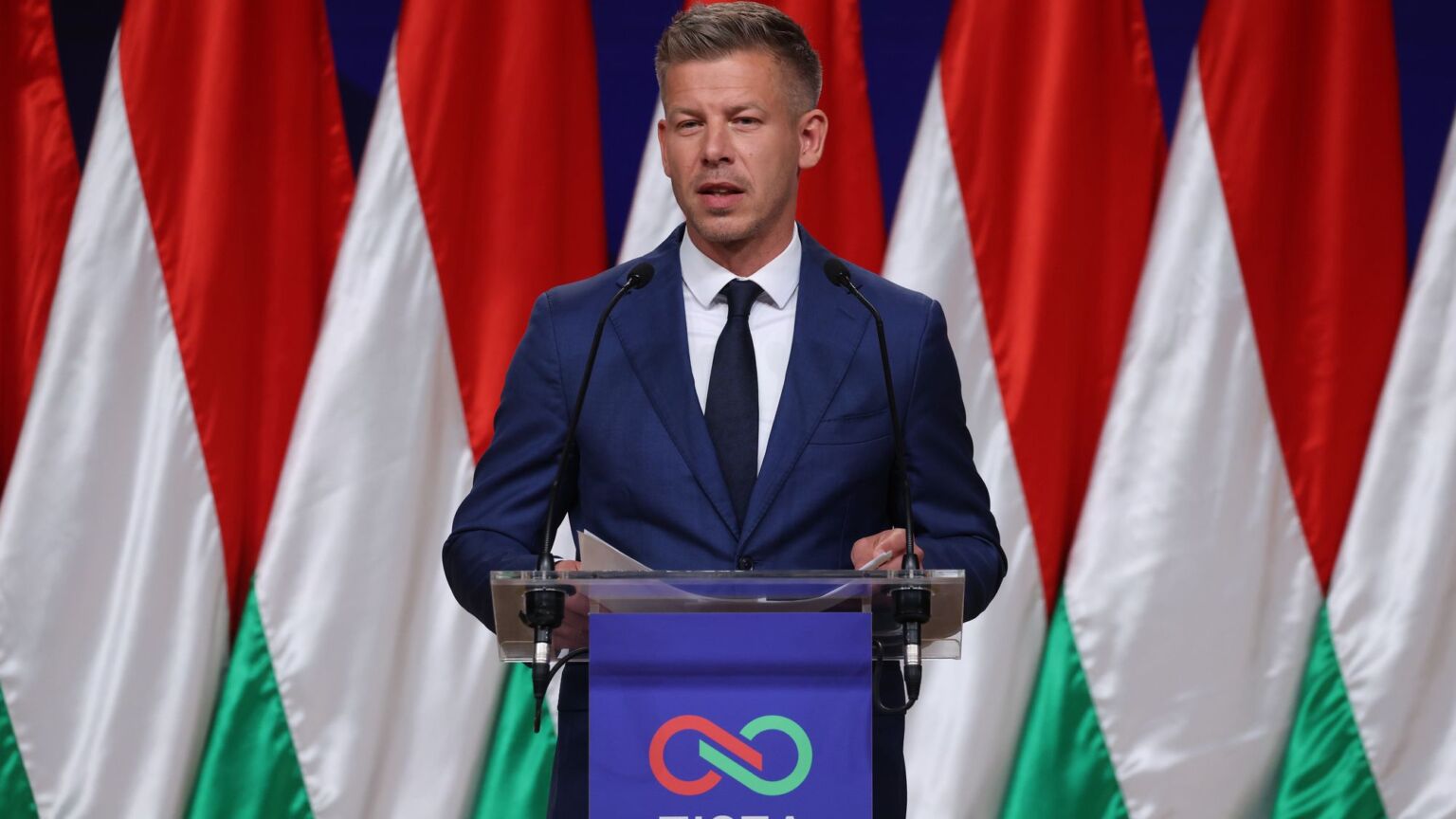
Péter Magyar and his insurgent Tisza Party were able to refocus attention on the economy, healthcare and education. Promising well-functioning public services allowed him to broaden the scope of the campaign away from the perennial question of Hungarian politics – namely, are we an Eastern or Western nation? Orbán’s campaign floundered as attention shifted to bread-and-butter political matters. Fidesz offered no new narrative, no hope for Hungarians who wanted to improve their material circumstances. The recycled mix of familiar themes from past elections – the migration threat from 2018, and the war in Ukraine from 2022 – did not resonate with voters.
Orbán, perhaps recognising that his personal appeal was waning, sought to frame the election as a one-on-one contest between himself and Ukrainian president Volodymyr Zelensky. It didn’t work. Magyar, however, was incredibly successful in convincing voters that the election was a referendum on Orbán alone. It was this fundamental choice that allowed a heterogeneous group of 3.1million voters to unite behind Magyar.
Two other factors in particular contributed to Orbán’s defeat. One is the 16 years that he has been in power. Many of Magyar’s voters had barely begun their school years when Viktor Orbán became prime minister in 2010; more would have spent their entire youth or a significant portion of their working lives seeing him speak on television. He was playing in injury time, and Hungarians were ready for change. Boredom and familiarity can be just as lethal to a government as bad policy.
Another factor that dealt a severe blow to Orbán was the intense focus on sovereignty. The campaign demonstrated that Hungary is less an independent country than a testing ground for competing foreign interventions. Russia supported Fidesz and Orbán; the EU backed Magyar and Tisza. Things were brought to a head in the final days of the campaign, when it was revealed that Hungary’s foreign minister had leaked plans to Russia regarding Ukraine’s admission to the EU. It was a hammer blow to Orbán’s authority: one cannot preach national sovereignty and, at the same time, suck up to Russia.
Magyar’s victory has been represented as a win for centrists and even progressives. But this could not be further from the truth: the old opposition parties of liberals, leftists and greens have been gutted. They – we – never had a genuine chance of entering parliament. The same storm that swept away Fidesz’s majority destroyed the real opposition. Ironically, the promise to restore political pluralism in Hungary has resulted in the most uniform political landscape since the 1989 transition from Communism. The election has left parliament with three fiercely right-wing parties.
Neither I nor my party contested the election or actively participated in the campaign. Not that it would have made any difference. This election left no space for a small party committed to environmental issues and national sovereignty, not to mention more traditional left-wing social policies. Nor did we have any interest in importing the global ‘progressive’ agenda that has hollowed out green parties across Europe, distracting them from their original mission.
Hungarians are celebrating the end of an era. But for many of us, the question is not how to adapt to a new regime, but how to seize the opportunity to finally represent people and issues that were victims of both a careless government and an ineffective opposition.
This election has raised as many questions as it has answered. Moving forward will be difficult: Hungarians voted for change, but it was a change of personnel rather than policy. Orbán’s unflinching position on immigration and his strong cultural conservativism have proved to be overwhelmingly popular. Will Magyar be able to keep these in place, as he has promised to do, while resurrecting his country’s relationship with the EU? That will be the challenge.
But the challenge is far greater for Hungary’s small opposition parties. Viktor Orbán and Fidesz will be back. The same cannot be said of Hungary’s left-wing parties, which appear to have been driven to extinction by the weekend’s election results.
The real loser was not Orbán, but democratic pluralism in Hungary.
Máté Kanász-Nagy was a member of the Hungarian National Assembly from 2022 to 2026, representing the Green Party.