The purchase of Jetro Restaurant Depot by food mega-distributor Sysco has raised concerns (and eyebrows) that increasing concentration of market power in ever fewer hands threatens free markets and will contribute to food price inflation. Like market consolidation in farming, fertilizer production, farm equipment manufacture, seed companies, and other food-related sectors, the pending merger certainly improves Sysco’s ability to raise prices. This is especially true for small mom-and-pop restaurants that lack the purchasing power of larger chains. However, the myriad problems impacting America’s restaurateurs go beyond food costs.
An American Dine-Out Tradition
Many American diners complain that restaurant prices have been climbing while food quality has been falling. Legacy media and far-left alarmists routinely point to President Trump’s tariffs as the root cause of food inflation (ignoring the pronounced inflation during the Biden administration, fueled by the Ukraine War and overspending on stay-at-home checks and renewables manufacturing). Yet minimum wage hikes, higher commercial taxes (and thus rents), environmental mandates that increase costs for food packaging and disposal, and other pressures on restaurants are decidedly liberal, and sometimes quasi-Marxist, policies that drive up restaurant operating costs.
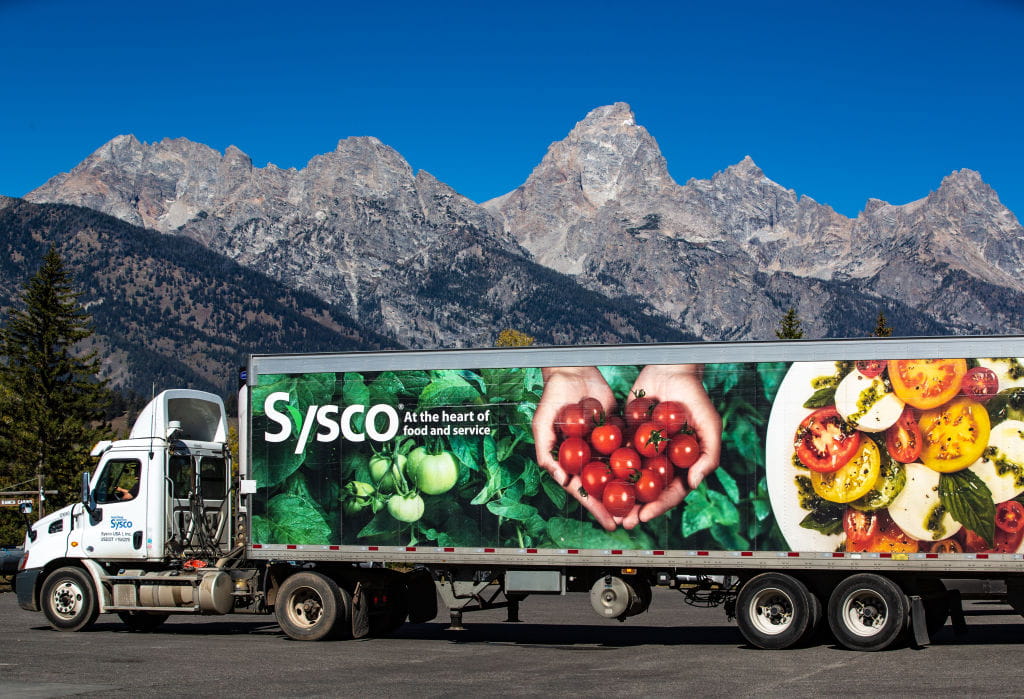
Sysco’s purchase of Restaurant Depot for $29 billion will allow the gargantuan enterprise that emerges from the sale to add 166 stores in 35 states to Sysco’s existing food distribution empire. Sysco will likely boast the largest number of food distribution centers in the nation, and so voices of discontent are understandable. The Daily Caller News Foundation quoted the Executive Director of the Independent Restaurant Coalition, Erika Polmar: “Handing the nation’s largest food distributor a monopoly over the wholesale staples channel is a gut punch to every neighborhood restaurant in America, and the FTC [Federal Trade Commission] has both the authority and the obligation to stop it.”
Yet Sysco offered an entirely different gloss on the acquisition. CEO Kevin Hourican stated in a press release that the purchase would provide “more affordable, fresh food products and deliver[] more choice and convenience.” Certainly, its size and purchasing power allow Sysco to offer greater choice, but the convenience of multiple locations does not compensate struggling restaurants for higher prices for essential menu items.
Small Operators Threatened?
Many small restaurants are indeed struggling, but the causes are not as simple as just food price inflation. Blue states that have enacted minimum wage laws for restaurant workers have seen rampant closures and worker job losses. Commercial rents, spurred by higher taxes that are passed on to restaurants through triple-net leases, have spiked sharply. Restaurants continue to suffer high turnover, as a result, training costs, and food waste – food that goes off before being served – is a persistent problem, aggravated by fickle customers. Consumers have cut back slightly in 2026, but Gen Z and wealthy Millennials continue to dine out where they can.

Determining whether the Sysco purchase of Jetro Restaurant Depot is a net good or bad development for restaurants and consumers is therefore not an easy assessment. Consumer confidence has dipped, but Americans still love the social luxury of dining out. One area where consumers are noticeably cutting back is on unhealthy menu items – salads are still relatively strong. This suggests the MAHA movement may be impacting dining habits as much as price: consumers are increasingly avoiding fast food and the phthalates, high salt content, and other unhealthy consequences of drive-thru menus. Shifting consumer preferences challenge restaurants to manage perishable food inventories accurately, compounding food waste. DoorDash, Uber Eats, and similar home-delivery services have also cut into the income of sit-down restaurants.
Food-at-home prices increased 11.4% in 2022, according to the USDA, while food-away-from-home prices increased a relatively lower 7.7%. This trend slowed but continued in 2023: Food-at-home prices increased by 5%, while food-away-from-home prices rose by 7.7%. Despite howls of tariff inflation and anti-Trump hysteria, food prices reportedly increased by a mere 2.9% in 2025, in line with overall inflation. USDA forecasts that food-at-home prices will rise 3.1% and food-away-from-home prices by 3.9% in 2026, though these predictions precede the Iran conflict and the consequent bump in oil prices.
Assessing the Sysco Impact
The Sysco acquisition certainly raises concerns about ever-increasing market consolidation that threatens free-market competition. Mom-and-pop restaurants are especially at risk because they lack many efficiencies of national chains, including access to lower-cost capital, strong brand recognition, and national marketing campaigns. But most importantly, small operators lack the leverage large chains have to secure discounted pricing on food products, and this is where the Sysco deal may threaten the most.
Whether it is food distributor Sysco or fast-food chains like McDonald’s, big fish always eat smaller ones, until only sharks remain. Ultimately, the short-term cost savings to consumers these economies of scale achieve reduce competition, allowing the sharks to charge whatever they want.