The Progressive Caucus recently rolled out a new plan with proposals to fix soaring costs and win over voters this November. The platform, dubbed the New Affordability Agenda, is modeled after the Contract With America that Newt Gingrich and Republicans released during their road to victory in the 1994 midterm elections. The ideas are supposedly new, but many read like talking points liable to crumble under scrutiny. Regardless, a new poll shows an overwhelming majority of voters support the agenda – even Republicans.
The Villains of Affordability
Democrat Representative Greg Casar of Texas, who unveiled the platform last week, told Semafor that he modeled some policies after New York City Mayor Zohran Mamdani’s pitch for free buses and New Jersey Gov. Mikie Sherrill’s idea to freeze utility rates. One proposal in the new progressive agenda suggests taxing big oil companies on extra profits and then refunding that money to consumers. Another aims to ensure no family pays more than 7% of its income for child care. The package also includes a bill to invest one trillion dollars in affordable housing, “offering every first-time homebuyer $20,000 in downpayment assistance, and expanding rental assistance.” How do progressives plan to pay for such policies? By taxing the rich, of course.
“Voters want fundamental change,” Casar told The American Prospect. “Trump villainized immigrants, Trump villainized the LGBT community. If Democrats want to fight back against that scapegoating, we need to take on the real villains taking your money.”
Many of the ideas and much of the related rhetoric sound familiar, variations of previous policies touted by other leftist candidates targeting corporations and corruption. The package also includes legislation to end price-fixing in grocery chains and a bill to crack down on for-profit utilities that overcharge consumers. Two of the more popular proposals would force companies to pay double wages for overtime and guarantee that every worker gets two weeks of paid vacation. A measure to defang super PACs is also on the menu.
Despite the ostensible flaws in some of these ideas and their far-left bent, it seems a majority of voters support them. Data for Progress released a poll showing that at least 65% of voters support each policy in the New Affordability Agenda, including between 59% and 78% of Republicans. Even a majority of 2024 Trump voters back each policy.
One reason the slate of bills has garnered so much support from voters could be that the survey’s questions don’t go into great detail about the bills. They are succinct descriptions highlighting the most positive aspects of the proposals, i.e., how they will benefit Americans. And when people are distracted by the struggle to pay bills, they might not notice the wool over their eyes.
What Have You Done for Me Lately?
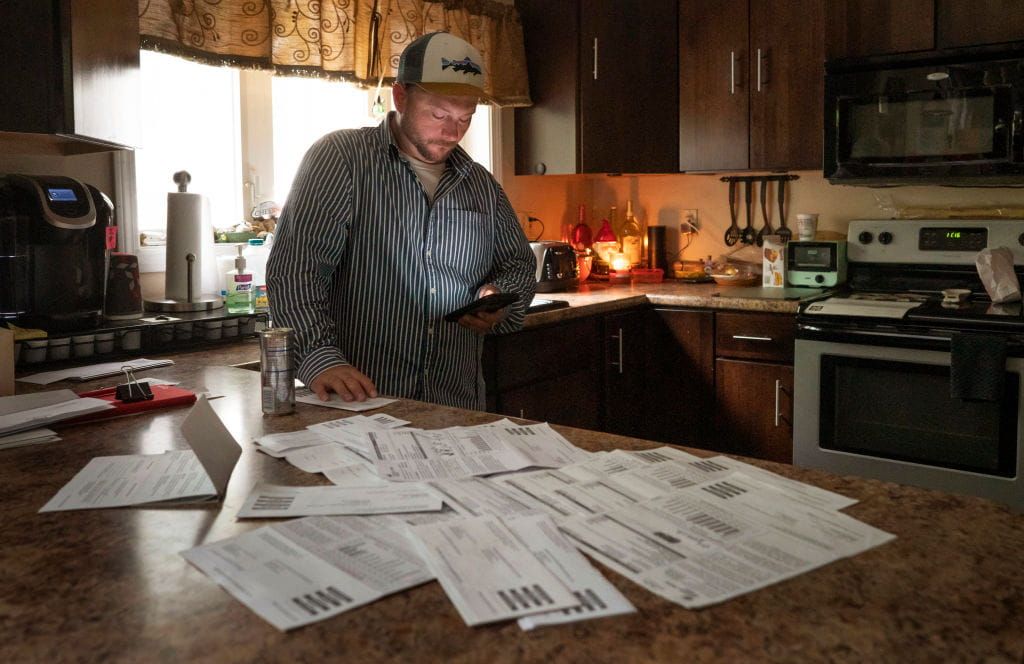
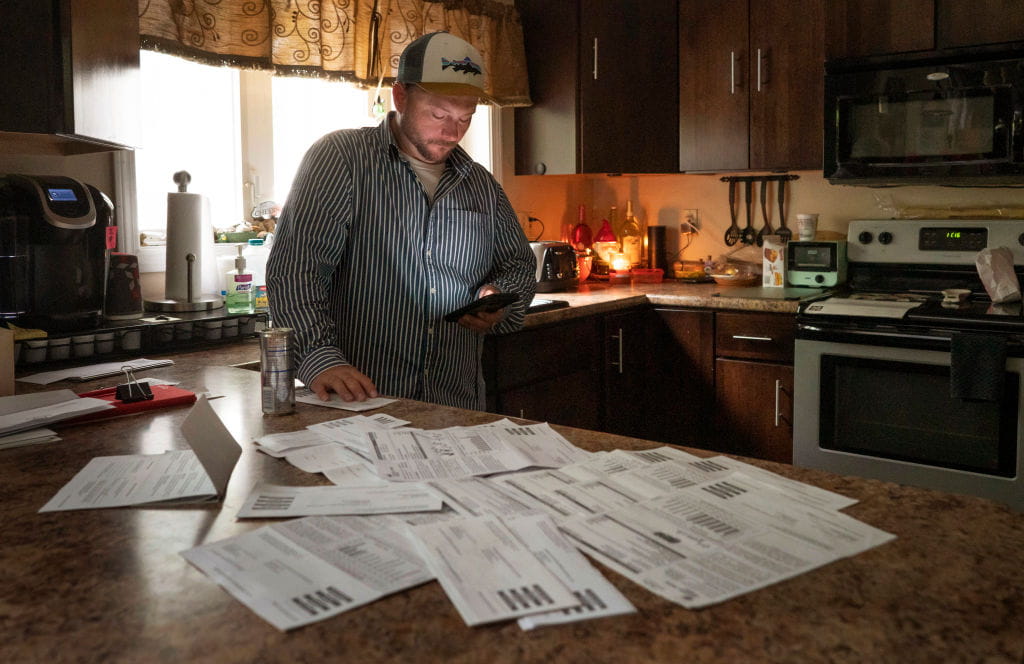
Affordability is likely the number one concern for a majority of voters. Fifty-five percent of Americans think “their financial situation is getting worse,” according to a recent Gallup poll, and some people are convinced that neither party focuses on their top concerns. The latest survey by Navigator Research found that voters think Republicans spend too much time on immigration, foreign conflicts, and government spending, and that Democrats focus most on health care, transgender issues, and climate change. The overall economy ranked ninth on the list of GOP priorities – seventh for the Democrats.
Rep. Casar told The American Prospect that when he visits Republican districts or talks with people who voted for Biden in 2020 and then Trump in 2024, they say, “‘We’re sick of Trump but what are you guys actually for? Are you going to say affordability over and over or do something about it?’”
Indeed, affordability has become a mantra on the left. We heard it repeatedly from Abigail Spanberger during her gubernatorial campaign in Virginia – and she won. Mamdani was victorious using similar messaging in his bid for mayor of New York City. In both cases, the reality of their leadership has been different from their campaign promises. Because a plan is just that, a plan; executing it and making it a success are more difficult feats. For some politicians, however, it seems that following through is optional.
Even if Democrats do regain control of one or both chambers of Congress and get a chance to implement some economic policies, one of two things is likely to happen: They’ll either pull the old bait-and-switch, or the policies they enact will boomerang. Regardless, for people having difficulty putting food on the table, an imperfect agenda could look like a panacea – but ideas typically don’t win elections without voters’ trust.